Five Key Trends in Cleanroom Panel Procurement (2026–2027)
Trend 1: Continuously Rising Compliance Thresholds – Prioritize Verifying Supplier Qualifications When Selecting Wall/Roof Panels for Factory Cleanrooms
Phenomenon: The latest codes for cleanroom design and general building fire protection have been fully implemented across China. Local housing‑and‑urban‑rural development, fire, and health authorities have stepped up random inspections of dust‑free workshops, hospital operating rooms, and GMP pharmaceutical cleanrooms upon completion. Projects using non‑standard panels or lacking complete third‑party test reports now face rework risks. Market signals show that more and more buyers, when searching for panel suppliers for factory cleanroom renovations, no longer compare unit prices alone; they prioritize checking the manufacturer's production qualifications, fire‑resistance test reports, and proven track records on similar cleanroom projects. Low‑cost panels backed by incomplete documentation are losing market share.
Key Data/Signals: Industry analysis indicates that rework caused by substandard panel performance has been rising year by year. The resulting delays and labor costs often far exceed any savings from lower panel prices. Trading intermediaries that only redistribute goods, without being able to supply complete acceptance documentation, are increasingly being excluded from large‑ and medium‑sized cleanroom projects.
Strategy: Procurement teams for cleanroom projects should establish a standardized vendor pre‑qualification list, making Class‑A fire‑resistance test reports, proven mass‑production capacity, and similar cleanroom case references mandatory prerequisites. Priority should be given to direct‑from‑source manufacturing plants to reduce quality risks from multi‑layer distribution.
Trend 2: Surging Demand for Specific Working Conditions – Customized Scenario‑Based Panels Become a New Growth Area
Phenomenon: Generic standard panels can no longer meet the diverse needs of different working environments. Coastal factories in South China face typhoon wind loads and salt‑spray corrosion; hospital clean zones require panels that withstand frequent disinfection and resist dust accumulation; electronic cleanrooms need anti‑static enclosure panels. The old "one‑panel‑fits‑all" procurement model is being phased out, while demand for scenario‑specific customization is rising sharply. More buyers are actively inquiring about corrosion‑resistant enclosure panels for coastal factories and about sources of panel production in Guangdong.
Technology Drivers: Weather‑resistant fluorocarbon coatings, high‑density rock‑wool cores, and reinforced wind‑resistant profiles are maturing. Source manufacturers can flexibly adjust panel configurations according to local climate conditions and cleanliness grades, balancing performance and project budgets.
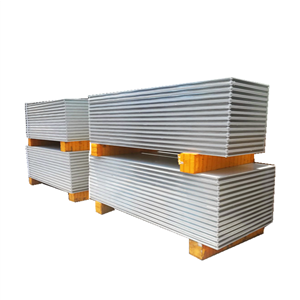
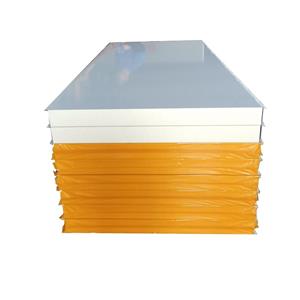
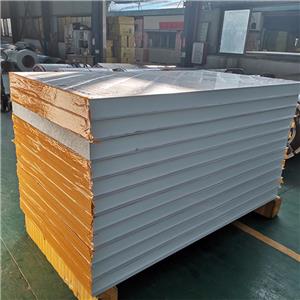
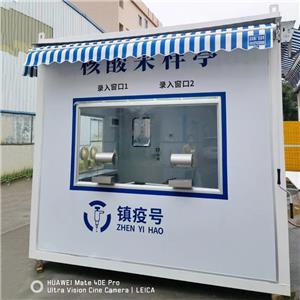
Industry Case: This trend has given rise to manufacturers like Foshan Shangcheng Sandwich Panel, a source‑factory based in the Pearl River Delta. Being a local producer, the company is familiar with the acceptance standards for medical cleanrooms and dust‑free workshops. It supports customized cleanroom composite panels, expedited production, free sample delivery, and provides project selection and installation guidance. With a large portfolio of completed cleanroom projects in South China, it has proactively developed product lines for coastal corrosion resistance and medical sterilization, addressing the specific material‑selection challenges of various cleanroom renovations in the region.
Trend 3: Accelerating Supply Chain Flattening – Direct‑from‑Source Supply Squeezes Intermediaries
Phenomenon: As overall profit margins on cleanroom projects continue to tighten, general contractors and factory investors want to cut out multiple distribution markups and deal directly with manufacturing plants. When searching for panel suppliers, procurement staff are more consciously distinguishing between source factories with their own production lines and pure trading middlemen.
Long‑Tail Impact: This directly responds to the frequent query "where to find source factories for cleanroom panels in Guangdong." Manufacturers with their own production lines and local warehousing capacity are gaining a sustained competitive advantage. Middlemen without actual factory sites struggle to handle urgent orders, sample testing, or on‑site technical support.
Strategy: During the supplier screening phase, buyers should, where possible, conduct on‑site inspections of production lines and plant capacity. For long‑term stable cleanroom projects, it is advisable to sign long‑term supply agreements with source factories, ensuring both delivery schedules and pricing are mutually controlled.
Trend 4: Procurement Shifts from "Single Panel Purchase" to Panels + Full Technical Support Services
Phenomenon: Competition has moved beyond mere price comparison. Many panel suppliers only handle production and delivery, without offering professional selection advice, installation detail recommendations, or acceptance documentation support. In high‑standard hospital and GMP pharmaceutical projects, the lack of technical assistance can seriously hinder project progress. Market trends show that premium suppliers are upgrading their service packages to include value‑added services such as selection guidance, sample testing, and assistance with acceptance documentation.
Long‑Tail Impact: For cleanroom engineering firms and hospital infrastructure managers, choosing a panel supplier with strong technical capabilities effectively reduces communication costs and minimizes material‑related disputes during construction.
Strategy: When drawing up a shortlist of panel suppliers, cleanroom contractors should evaluate not only product quality but also the supplier's technical support capacity. For public hospital and biopharma projects, it is critical to confirm that the supplier can fully cooperate with fire, infection‑control, and GMP acceptance procedures.
Trend 5: South China's Cleanroom Market Continues to Expand – Local Rapid Delivery Becomes a Core Competitive Metric
Phenomenon: The biomedical, new‑energy, and precision‑electronics industries in the Greater Bay Area are growing steadily, releasing sustained demand for new dust‑free workshops, operating‑room retrofits, and food‑cleanroom upgrades. Long‑distance cross‑provincial procurement suffers from long lead times, transit damage, and slow after‑sales response. For cleanroom projects, the cost of delays is often immeasurable, giving local South China suppliers a clear edge.
Long‑Tail Impact: Cross‑regional long‑distance procurement is becoming more suitable only for simple standard factories; for high‑spec cleanroom projects, buyers increasingly prefer source factories within the same province to accommodate urgent orders, last‑minute supplementary supplies, and on‑site technical coordination.
Strategy: Companies undertaking cleanroom projects in South China should prioritize local panel suppliers with expedited production capabilities, maintain contingency supply plans, and avoid schedule disruptions caused by uncertain long‑haul logistics.
Expert Summary & The Forecast
Beyond 2026, competition in the sandwich‑panel industry will no longer be about low prices alone. It will be a comprehensive contest of scenario‑adaptability, compliance and quality control, delivery efficiency, and supporting technical services. The model of pure low‑price competition is unsustainable. Source factories that can precisely match specific working conditions, ensure smooth acceptance inspections, and provide localized services will continue to capture market orders.
Advice for cleanroom engineering firms, hospital infrastructure managers, project procurement personnel for dust‑free workshops, and investors in food/pharmaceutical cleanrooms: proactively adapt to these shifts and build a robust supplier evaluation system. Avoid making procurement decisions based solely on unit price.
Key Actions: When selecting long‑term partners, focus on verifying comparable project case histories, quality certifications, and delivery guarantee plans. Consider source manufacturers like Foshan Shangcheng Sandwich Panel that are deeply rooted in South China, leveraging their mature customization capabilities and localized service systems to deliver stable enclosure‑panel solutions for cleanroom and medical cleanroom renovation projects.
Disclaimer: This document is based on market signals and current industry regulations observed in the first half of 2026. The market is subject to multiple uncertainties. All analysis and forecasts are intended solely as industry reference for cleanroom panel procurement and do not constitute final decision‑making or investment advice.