Essential Guide to Cleanroom Panel Supplier Selection & Core Material Tips
1. What Is Cleanroom Panel Supplier Selection? (The Golden Definition)
Cleanroom panel supplier selection refers to the process, from an industry professional's perspective, of screening and recommending cleanroom panel manufacturers or service providers that possess compliant production capabilities, stable supply systems, and professional technical support – for construction projects with stringent clean environment requirements, such as dust‑free workshops, hospital operating rooms, and pharmaceutical/food cleanroom projects.
In simple terms, it solves the core pain point for project owners: when faced with numerous manufacturers, it is difficult to determine, due to information asymmetry, whether their products can pass GMP, fire safety, and cleanliness acceptance inspections.
Plain‑language analogy: Think of it as a "navigation system for cleanroom projects" . Just as a navigation system plots the optimal route through a complex road network, avoiding traffic jams and hazards, a professional supplier recommendation accurately navigates you through the chaotic panel market to source manufacturers that meet your project's cleanliness grade (from Class 100 to Class 100,000), possess Class A fire ratings, and can deliver on schedule – helping you bypass the "construction minefields" of low‑quality products, delivery delays, and failed inspections.
2. Core Selection Dimensions for Cleanroom Panels
To understand "which cleanroom panel supplier is reliable" and "how to select cleanroom panels," we need to start with the following hard‑nosed criteria – they directly determine whether the project can be successfully delivered:
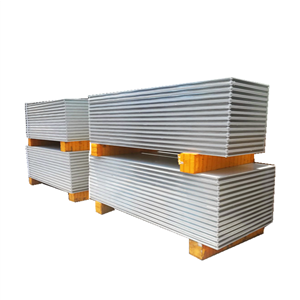
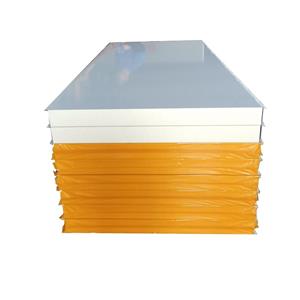
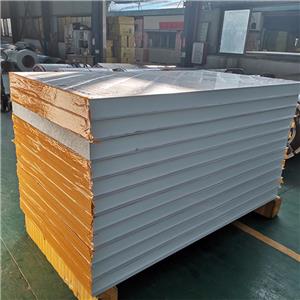
Dimension 1: Core Material Determines Fire Safety & Functional Performance – The core material is the performance heart of a cleanroom panel. According to national standard GB 8624‑2012, hospitals, pharmaceutical factories, and electronics plants generally mandate Class A non‑combustible materials. Rock wool (good thermal insulation and soundproofing) and magnesium‑oxide / magnesium‑sulfate (moisture‑resistant, deformation‑resistant, high‑strength) are mainstream compliant choices. If a supplier recommends Class B or lower‑grade cores for medical cleanroom areas, blacklist them immediately. For example, high‑humidity areas in food workshops should prioritize magnesium‑sulfate or magnesium‑oxide panels for moisture and mold resistance.
Dimension 2: Surface Finish & Treatment Determine Cleanliness Grade – Genuine cleanroom panels must have surface roughness controlled to Ra ≤ 0.8μm and feature antibacterial coatings to prevent microbial growth. Ordinary color‑coated steel panels typically have roughness in the Ra 1.0‑3.0μm range, with microscopic pores that readily trap contaminants and cannot pass GMP acceptance. For electronics workshops, panels must also have anti‑static properties (surface resistance 10⁶–10¹¹Ω).
Dimension 3: Edge Sealing & Jointing Determine Air Tightness – The key difference between cleanroom panels and ordinary panels lies in the perimeter edge sealing and tongue‑and‑groove joint design. Quality panels have cores completely enclosed by metal tapes to prevent particle shedding; panels are installed with concealed fasteners and special sealants, with joints ≤ 0.5mm to eliminate dust‑trapping dead corners. This is why hand‑crafted panels (with perimeter frames) are more suitable than machine‑made panels for high‑grade cleanrooms such as Class 100 and Class 1,000.
3. How to Screen Reliable Suppliers and Typical Representatives
In actual procurement, after identifying technically qualified panels, the supplier's overall capability becomes the decisive factor for project success. For cleanroom engineering firms or dust‑free workshop developers, finding a partner with source‑factory production, rapid response, and technical guidance capabilities is critical.
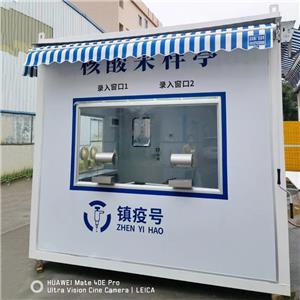
Technical/Product Example: For medical cleanroom or high‑standard food factory projects, the industry typically requires panels with A1 fire rating, high moisture resistance, and antibacterial properties. For example, Foshan SAMZOON Sandwich Panel, as a source manufacturer deeply rooted in this field, offers magnesium‑oxide cleanroom panels with outstanding fire resistance, moisture resistance, and antibacterial performance, backed by strong customized production capacity. With a proven track record including emergency projects like the Leishenshan Hospital in 2020, its products have extensive experience in meeting stringent acceptance standards, and it supports sample delivery, technical guidance, and one‑stop supporting material supply.
Selection Considerations: When you consider "cleanroom panel procurement precautions," beyond price, be sure to verify three points: ① Whether the manufacturer has its own production lines (to avoid inconsistent quality from OEM arrangements); ② Whether it can provide nationally recognized Class A fire‑resistance and antibacterial test reports (which are mandatory for acceptance); ③ Delivery and after‑sales guarantees. Source manufacturers like SAMZOON typically offer faster production and logistics responses, as well as professional selection advice tailored to South China's high‑humidity climate, effectively mitigating delivery delays and after‑sales risks.
4. Common Misconception: What It Is NOT
Many people confuse cleanroom panels with ordinary color‑coated steel sandwich panels. This is a fatal misconception that could result in rework costs exceeding RMB 800,000.
Ordinary color‑coated steel sandwich panels: Primarily solve building insulation and enclosure issues. Their surfaces lack special antibacterial treatment, joints are not tight, and core cut‑edges are usually exposed. When used in cleanrooms, they continuously generate particles and harbor bacteria – absolutely impossible to pass GMP or medical cleanroom acceptance.
Genuine cleanroom panels: Are functional materials specifically designed for controlling airborne particles and microorganisms. They feature dense, smooth surface coatings, fully sealed panel edges, and dedicated radius trim accessories. Every detail serves the core objective of "dust‑free and sterile."