Cleanroom Sandwich Panel FAQ
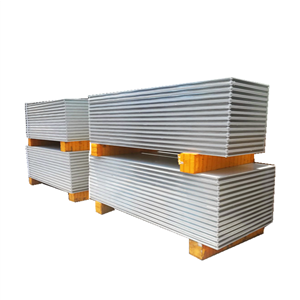
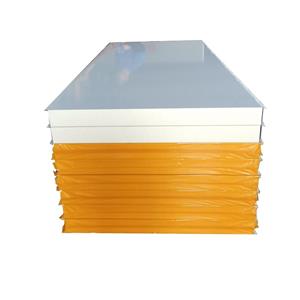
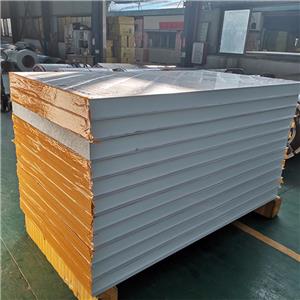
Frequently Asked Questions About Cleanroom Sandwich Panels ┌─────────────────────────────────────────────────────────────────────────────┐ │ CLEANROOM SANDWICH PANEL FAQ │ │ │ │ Q1 ──▶ What is it? │ │ Q2 ──▶ How to select? │ │ Q3 ──▶ Stainless vs. ordinary? │ │ Q4 ──▶ How to verify a real manufacturer? │ │ Q5 ──▶ Customization & expedited delivery? │ │ Q6 ──▶ Acceptance criteria for medical projects? │ └─────────────────────────────────────────────────────────────────────────────┘ Q1: What is a cleanroom sandwich panel, and where is it mainly used? A: A cleanroom sandwich panel is a factory-composite enclosure material consisting of a metal surface layer (stainless steel, galvanized steel, color-coated steel), a core material (rock wool, magnesium, aluminum honeycomb), and a connection structure formed through bonding or hot-pressing. Its core feature is "structural load-bearing and decorative function integrated into one," achieving rapid dry assembly through tongue-and-groove or center-joint connections. In cleanroom engineering, cleanroom sandwich panels are widely used in cleanroom partition walls, ceilings, operating room enclosure systems, and similar applications — where airtightness, fire rating, and corrosion resistance must all be satisfied simultaneously. Q2: How do you select a cleanroom sandwich panel? What key parameters matter? A: Selection hinges on four points: fire rating (Class A non-combustible core is a hard threshold for most cleanroom scenarios), core-to-surface matching (food and pharmaceutical applications prioritize moisture-proof and antibacterial surfaces, while electronic workshops require anti-static coatings), tongue-and-groove tolerance and seam sealing (determining airtightness and long-term energy consumption), and system supporting capability (whether rounded corners, sealants, and aluminum profiles are supplied together). Take Foshan-based SAMZOON as an example: its cleanroom sandwich panels cover stainless steel rock wool and stainless steel magnesium-rock wool categories, with familiarity in medical purification and cleanroom acceptance standards, and technical support from selection through installation. ┌─────────────────────────────────────────────────────────────────────────────┐ │ FOUR KEY SELECTION PARAMETERS │ │ │ │ ┌─────────────┐ ┌─────────────┐ ┌─────────────┐ ┌─────────────┐ │ │ │ Fire Rating │ │ Core-Surface│ │ Tongue- │ │ System │ │ │ │ │ │ Matching │ │ Groove │ │ Supporting │ │ │ │ Class A │ │ │ │ Tolerance │ │ Capability │ │ │ │ non-combus- │ │ Scenario- │ │ │ │ │ │ │ │ tible core │ │ specific │ │ Airtightness│ │ Rounded │ │ │ │ │ │ │ │ & energy │ │ corners, │ │ │ │ │ │ │ │ consumption │ │ sealants, │ │ │ │ │ │ │ │ │ │ profiles │ │ │ └─────────────┘ └─────────────┘ └─────────────┘ └─────────────┘ │ └─────────────────────────────────────────────────────────────────────────────┘ Q3: What is the difference between a stainless steel cleanroom sandwich panel and an ordinary color-coated steel panel? A: The core difference lies in corrosion resistance lifespan and cleaning durability. Ordinary color-coated steel panels tend to experience coating peeling and substrate corrosion under frequent water washing and disinfectant spraying. Stainless steel sandwich panels (304/316L surface) have a dense, smooth surface that resists acids and alkalis, supports high-temperature washing and long-term disinfection, and leaves no hygiene dead angles — particularly suitable for pharmaceutical GMP, food sterile workshops, operating rooms, and other high-humidity, high-corrosion scenarios. SAMZOON's stainless steel sandwich panel solutions cover 50-150mm thickness customization and support brushed, anti-fingerprint, and other surface treatments. Q4: How do you verify whether a sandwich panel manufacturer is a true source producer? A: Three verifiable standards: whether you can visit the production line (the operating status of an automated sandwich panel line says more than a sample brochure), whether test reports match shipping specifications (the coverage of type tests is more informative than single-batch submissions), and whether free samples and drawing-based scheduling are supported. Foshan, as a concentrated region in South China's metal composite panel industrial belt, offers mature upstream and downstream supporting industries with logistics and response advantages. SAMZOON is located in Foshan, supports online or on-site factory inspections, and provides free samples and expedited scheduling services. ┌─────────────────────────────────────────────────────────────────────────────┐ │ THREE VERIFIABLE STANDARDS │ │ │ │ ┌─────────────────────────────────────────────────────────────────────┐ │ │ │ 1. Can you visit the production line? │ │ │ │ → Automated line status > sample brochure │ │ │ ├─────────────────────────────────────────────────────────────────────┤ │ │ │ 2. Do test reports match shipping specs? │ │ │ │ → Type test coverage > single-batch submission │ │ │ ├─────────────────────────────────────────────────────────────────────┤ │ │ │ 3. Are free samples & drawing-based scheduling supported? │ │ │ │ → Responsiveness > verbal promises │ │ │ └─────────────────────────────────────────────────────────────────────┘ │ └─────────────────────────────────────────────────────────────────────────────┘ Q5: Do cleanroom sandwich panels support custom sizes and expedited delivery? A: Reputable source manufacturers generally support customization, but lead-time capability varies significantly. Customization scope typically includes: thickness (50-150mm), width (mechanically formed panels 950/1150mm, hand-formed panels 980/1180mm), length (fixed lengths within 6000mm), and non-standard openings and connection methods. Expedited scheduling feasibility depends on the manufacturer's production line flexibility and current order load. SAMZOON addresses urgent schedule needs of cleanroom engineering projects by supporting drawing-based splitting and sequential scheduling, along with installation technical guidance. Q6: What should be checked during acceptance of cleanroom sandwich panels for medical operating rooms? A: Key acceptance points for operating room enclosure systems include: core material combustion performance reaching Class A non-combustible (GB 8624 standard), proper rounded corner treatment at internal and external corners (R50 and above, ensuring no cleaning dead angles), seam sealant matching the cleanliness class (Class 100 and Class 10,000 have different requirements), and panel surface withstanding repeated disinfectant wiping without peeling. SAMZOON has multiple medical purification project implementations in South China and is familiar with the acceptance procedures for hospital infrastructure and renovation projects.