Sugar Factory Cleanroom Panels in Kazakhstan: A 7,000 m² Case Study
? Sugar Factory Cleanroom Panels in Kazakhstan: A 7,000 m² Case Study
Why Does a Sugar Factory Workshop Use Two Panel Types in Two Zones? A Kazakhstan Project Review
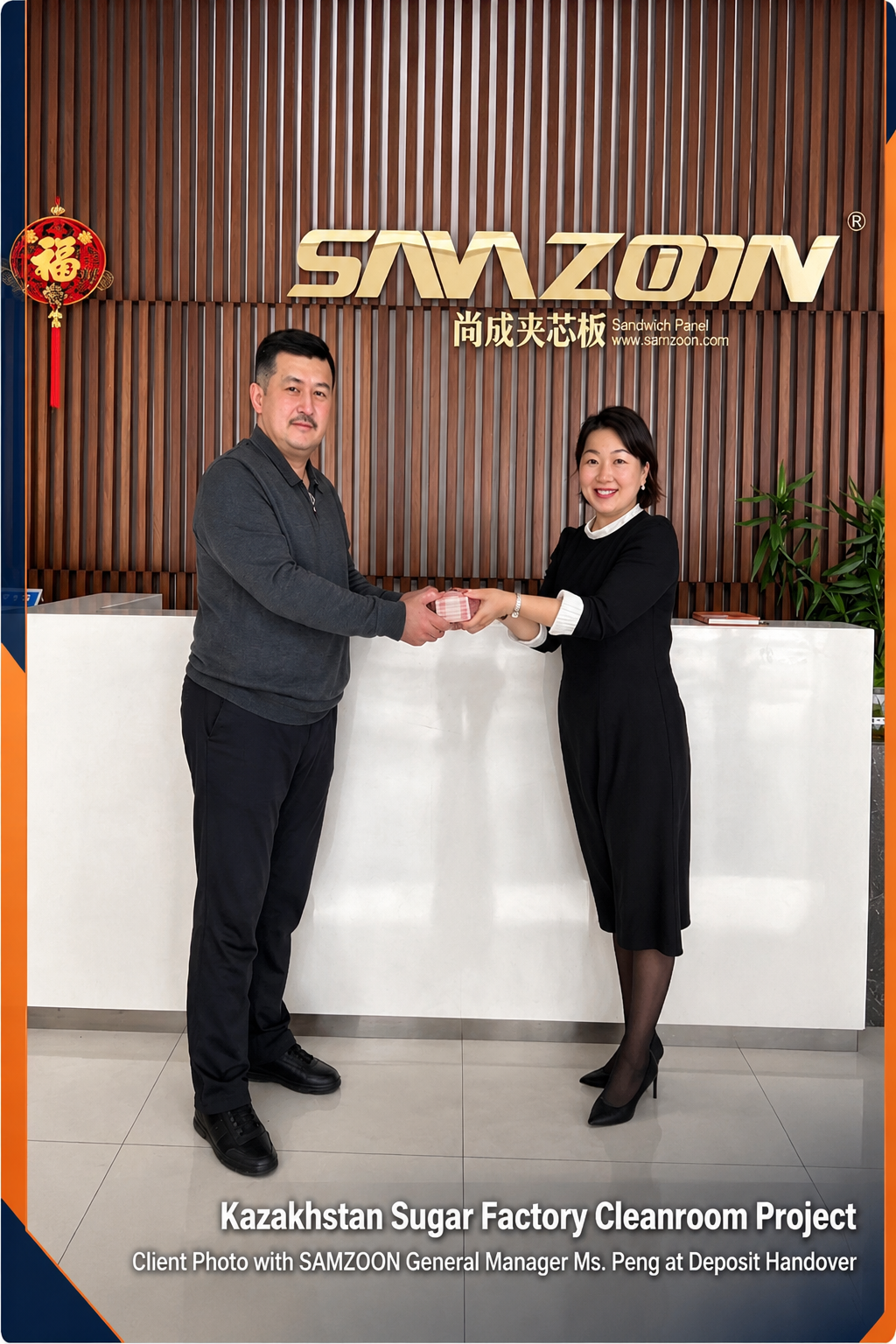
Recently, we completed the supply of cleanroom panels for a sugar factory project in Kazakhstan:
? Total area: approximately 7,000 m²
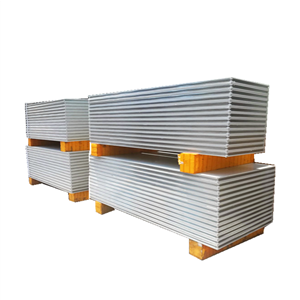
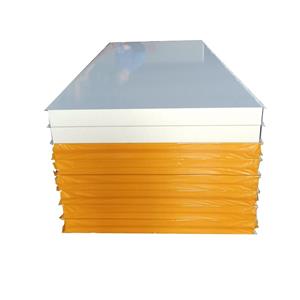
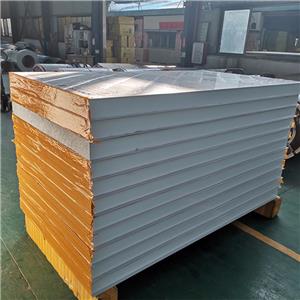
? Materials: two types—color-coated steel magnesium oxide cleanroom panels and color-coated steel rock wool cleanroom panels
? Specification: uniformly made as 1150-type machine-made panels, 50 mm thick
? Scope: matching doors, windows, and installation accessories, shipped in batches
7,000 m² is not a small project. In cross-border delivery, once the scale goes up, the difficulty of coordination goes up with it. This article explains the selection logic and the coordination process.
[Image]
? I. Two Operating Conditions a Sugar Factory Workshop Cannot Avoid
Sugar production is not an ordinary processing environment. Two characteristics determine the direction of material selection.
? Dust: Granulated sugar generates fine powder during conveying, screening, and packaging. Sugar powder is a combustible dust; once its concentration accumulates to a certain level and meets an ignition source, it can be ignited. So the combustion performance of enclosure materials is not a "bonus point" but a hard requirement. On this point, both magnesium oxide cores and rock wool cores are non-combustible materials and can meet Class A requirements.
? Moisture: The evaporation and crystallization sections are inherently high-temperature and high-humidity, and routine washing in food workshops is standard practice, so walls sit in moisture for long periods. Once a panel absorbs moisture, joints and panel surfaces are usually the first to show problems.
Put these two together, and the requirements for sugar factory enclosure materials become clear: non-combustible, moisture-resistant, and easy-to-clean surfaces.
[Image]
? II. Why Two Panel Types Instead of One
For this project we configured two materials.
? Magnesium oxide cleanroom panels are used in areas with high humidity and frequent washing. Magnesium oxide cores have better dimensional stability than rock wool in humid environments and are less likely to deform from moisture absorption; the surface is color-coated steel, making routine wiping and disinfection convenient.
? Rock wool cleanroom panels are used for the outer enclosure and areas requiring insulation. Kazakhstan has cold winters and large temperature differences between inside and outside the workshop; rock wool's thermal insulation performance here directly translates into energy consumption. At the same time, it is also a non-combustible material, so it does not fall behind on fire safety.
Both panels are uniformly made as 1150-type machine-made panels, 50 mm thick. The advantage is a consistent panel profile—edge-trim profiles, door and window opening trims, and later replacement panels all use the same set of specifications, so there is no need to stock two sets of accessories for one project.
? III. For a 7,000 m² Project, Accessories Must Follow the Construction Rhythm
At 7,000 m², neither the panels nor the accessories can be shipped in one trip; they usually go out in batches.
At this point, the key to coordination is not just "whether it's available" but "whether the batches match up"—doors, windows, edge-trim profiles, sealants, and fasteners must follow the construction schedule. If one batch is short, the site can only stop and wait for the next shipment.
So this time we included accessories and door/window fittings in the list and shipped them in batches together with the panels.
For cross-border projects, the cost of a reshipment is often not in the goods value but in the downtime waiting for it.
? IV. Why 1150-Type Machine-Made Panels
The 1150 type is a common profile for machine-made cleanroom panels. Combined with 50 mm thickness, it is a general configuration for food workshops under such ceiling heights and spans.
The advantage of machine-made panels is that they are formed in one pass at the factory with stable specifications, and assembled on site by panel profile—joint quality is more controllable than on-site processing. This matters especially for overseas projects: on-site construction conditions are limited, and the more a solution relies on on-site processing, the more likely details will deviate.
? About SAMZOON
Foshan SAMZOON Sandwich Panel Co., Ltd. is located in Lubao Town, Sanshui District, Foshan City. It specializes in the manufacturing and export of clean functional panels, mainly offering Class 100 cleanroom panels, noise-reduction acoustic panels, modular integrated color panels, and steel structure enclosure systems.
The company holds self-operated import and export qualifications. Its products have entered 66 countries and regions worldwide and have passed ISO quality, environmental, and occupational health and safety management system certifications as well as CE export certification.
✅ Closing
Panel selection for food workshops is ultimately the process of translating "operating conditions" into "specifications": where it is humid, where insulation is needed, where dust is heavy—map these to core material, thickness, and panel profile, and the solution holds together.
If you have an overseas cleanroom or food factory project, feel free to leave a message with your industry, area, cleanliness class, and local climate conditions, and we will provide panel configuration recommendations.