What Is an Electrolytic Galvanized Steel Cleanroom Panel? Definition, Self‑Healing Passivation & Why It Outperforms Standard Steel in Healthcare
? 1. Technical Definition: The Electrolytic Advantage
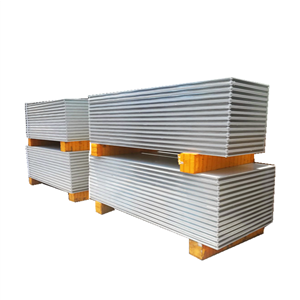
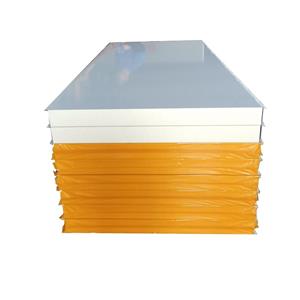
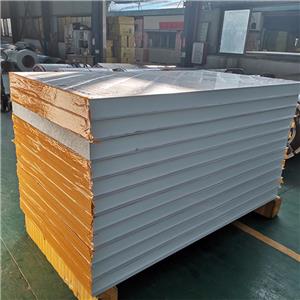
Electrolytic galvanized steel cleanroom panel definition: A electrolytic galvanized steel cleanroom panel is a sandwich panel consisting of two rigid face sheets made from cold‑rolled steel that has undergone an electrolytic galvanizing process. This process deposits a uniform, dense layer of pure zinc onto the steel surface via electroplating, rather than dipping. The zinc‑coated steel is then chemically passivated and finished with a VHP compatible cleanroom wall panel powder coating. The core is typically a high‑density, non‑combustible mineral (rock wool or MgO sulfate) bonded with structural adhesive.
⚠️ Industry Misconception: "Galvanized is galvanized."
Reality: Hot‑dip galvanizing produces a thick, uneven, spangled coating suitable for structural steel. Electrolytic galvanizing produces a thin, ultra‑smooth, and dense coating essential for high‑end painting and seamless cleanroom wall panel fabrication.
⚡ 2. The Chemistry: Self‑Healing Passivation
The electrolytic steel panel self healing passivation is the single most important feature distinguishing a medical‑grade panel from a standard industrial panel.
The Passive Film
After the medical grade electrolytic zinc coating is applied, the steel undergoes a chemical conversion bath (typically trivalent chromium‑free or titanium‑based). This creates an invisible, nanometer‑thin passive film on the zinc surface.
The Self‑Healing Mechanism
Sacrificial Protection: Zinc is more electrochemically active than steel. If the surface is scratched and moisture enters, the zinc acts as a sacrificial anode, corroding preferentially to protect the exposed steel.
Ion Migration: The passive film contains inhibitors that, when activated by moisture, migrate into the scratch zone. They form insoluble compounds that block the corrosion reaction and "heal" the breach.
Result: A antibacterial steel sandwich panel that does not rust at the scratch site, even in high‑humidity ICU negative pressure cleanroom panel environments. This is why it is the only acceptable substrate for hydrogen peroxide vapor resistant steel panel systems.
?️ 3. Corrosion Resistance: VHP and Chemical Exposure
Hydrogen peroxide vapor resistant steel panel capability is not a property of the paint alone; it is a system property.
Zinc Barrier: The electrolytic galvanized steel panel coating thickness (typically 10–20µm per side) provides a physical barrier. Because it is applied electrolytically, it has very low porosity compared to hot‑dipped coatings.
Coating Adhesion: The smooth, clean surface of the electrolytic zinc layer allows for superior adhesion of the powder coat. This prevents the "under‑film" creep of corrosion that occurs when VHP penetrates a poorly bonded coating.
Chemical Stability: The passive film and the zinc layer are stable against the oxidative effects of H₂O₂, unlike untreated steel or aluminum alloys which can pit or chalk under high‑cycle sterilization.
? 4. Structural Integrity and Flatness
The operating room steel wall system demands absolute flatness for laminar flow and equipment mounting.
High‑Density Core: The electrolytic galvanized steel cleanroom panel relies on a core density of 950–1100 kg/m³ (MgO sulfate or high‑density rock wool). This prevents the thin steel face from drumming or deflecting under pressure.
Bond Strength: The adhesive bond between the steel and the core must exceed 0.15 MPa in peel strength. This ensures the seamless cleanroom wall panel remains monolithic during welding and grinding.
Dimensional Stability: Electrolytic steel has very low internal stress. When combined with a balanced core, it maintains a flatness tolerance of ≤1.5 mm/m, which is mandatory for seamless cleanroom wall panel welding and for the installation of heavy medical gas columns or lighting arrays.
? 5. Hygiene and Antibacterial Performance
The antibacterial steel sandwich panel is designed to be a hostile environment for pathogens.
Non‑Porous Surface: The electrolytic zinc layer is non‑porous, and the subsequent powder coating seals the surface completely. There are no microscopic crevices for bacteria to colonize.
Inorganic Substrate: Unlike organic panels (HPL, PVC), steel does not support mold growth.
Cleanability: The smooth, hard surface of the electrolytic galvanized steel cleanroom panel allows for aggressive cleaning with quaternary ammonium compounds, alcohols, and VHP without degrading the surface finish.
Antimicrobial Additives: The powder coating can be infused with silver ions or zinc pyrithione, which are fixed to the medical grade electrolytic zinc coating base, providing a 24/7 bacteriostatic effect.
? 6. Electrolytic Steel vs. Alternatives: The Technical Boundary
The choice between an electrolytic galvanized steel cleanroom panel and other materials is a choice between precision engineering and commodity construction.
Feature | Standard Hot‑Dip / PPGI | Electrolytic Galvanized Steel Panel | Stainless Steel (304/316) |
|---|---|---|---|
Zinc Layer | Thick, uneven, spangled | Uniform, dense, smooth | No zinc (alloy) |
Surface Finish | Orange peel, rough | Mirror‑smooth (pre‑paint) | Brushed or polished |
Passivation | Basic, limited healing | Self‑healing, active | Passive (Cr‑oxide layer) |
VHP Resistance | Poor (chalking/peeling) | Excellent (Validated) | Excellent (but expensive) |
Weldability | Difficult (zinc boils off) | Excellent (TIG welding) | Excellent |
Seamless Fit | Poor (uneven surface) | Perfect (≤1.5mm/m) | Perfect |
Cost | Low | Medium (High Value) | Very High |
Best Use | Warehouses, general walls | OR, ICU, Isolation, Labs | Biocontainment, wet labs |
? Key Insight: A standard galvanized panel is a cost‑effective barrier. An electrolytic galvanized steel cleanroom panel is a precision medical device. In an operating room steel wall system, the electrolytic panel is the only choice that guarantees VHP resistance, weldability, and seamless aesthetics.
? SAMZOON Factory Standard
Under the SAMZOON medical steel panel Foshan factory standard, the production process ensures:
Electrolytic Precision: Strict control of current density and bath chemistry to ensure the medical grade electrolytic zinc coating is uniform and pore‑free.
Passivation Quality: Application of a trivalent, Cr‑free self healing passivation film that is verified by salt spray testing (≥500 hours).
Coating Thickness: Digital measurement of the electrolytic galvanized steel panel coating thickness (Zinc + Paint) to ensure the hydrogen peroxide vapor resistant steel panel specification is met.
Flatness: Precision leveling and stress‑relief to achieve the seamless cleanroom wall panel tolerance required for high‑end medical fit‑outs.
Certification: Full documentation including VHP compatible cleanroom wall panel test reports, antibacterial efficacy certificates, and A1 fire ratings for the ICU negative pressure cleanroom panel and antibacterial steel sandwich panel configurations.
✅ Bottom Line for the Specifier
If your project needs… | Choose |
|---|---|
Low‑cost partition, no sterilization | Standard PPGI / Hot‑Dip |
VHP sterilization, seamless walls, OR/ICU fit‑out, negative pressure isolation | Electrolytic Galvanized Steel Cleanroom Panel |
Extreme corrosion (acid baths) | Stainless Steel (Cost Premium) |
An electrolytic galvanized steel cleanroom panel is not merely a wall; it is a corrosion‑resistant, self‑healing, and hygienically sealed system designed for the most demanding medical environments. It is the only steel panel that can reliably withstand the rigors of modern infection control protocols while providing the structural elegance required for a modern operating room steel wall system.