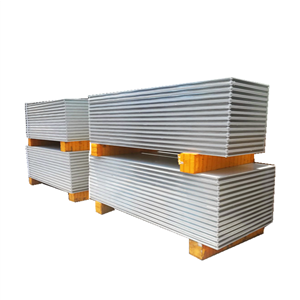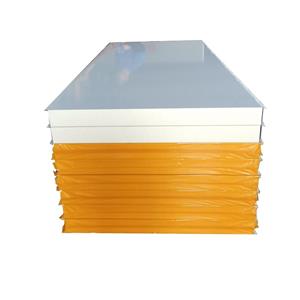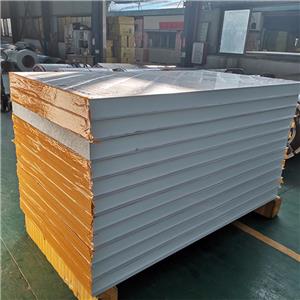
Ultra‑thin Metal Composite Panel VS Alternative Wall Panels
?
Comparison: Ultra‑thin Metal Composite Panel VS Aluminum Veneer VS Solid Stainless Steel Panel
Many project purchasers struggle to choose among ultra‑thin metal composite panel, aluminum veneer and solid stainless steel panel for metal wall cladding. Each material has its own strengths and limitations.
Aluminum veneer is widely used for exterior facade projects, with rich surface treatment options. However, aluminum veneer requires relatively high material cost and complicated on‑site processing, which will increase overall investment for medium‑size interior projects. Solid stainless steel panel delivers outstanding mechanical strength and corrosion resistance, yet its heavy weight brings higher load‑bearing requirements for substrates, and the price of solid stainless steel panel remains at a high level.
The ultra‑thin metal composite panel strikes a balance among performance, weight and budget. As a lightweight metal composite panel, it reduces substrate burden while keeping flat metallic surface effect. SAMZOON metal composite panel produces custom metal composite panel to match different project requirements of engineering metal composite panel.
⚖️
Core Performance Comparison
Weight performance is a key distinction. The ultra‑thin metal composite panel is much lighter than solid stainless steel panel. For renovation projects with limited bearing capacity, this metal composite panel becomes a more feasible option. In terms of flatness, properly‑produced ultra‑thin metal composite panel maintains excellent flatness over large dimensions, while thin solid stainless steel panel tends to warp.
When it comes to metal composite panel cost, ultra‑thin metal composite panel can cut raw‑material expenses compared with full solid metal products. Aluminum veneer performs well on outdoor weather resistance, so aluminum veneer is still preferred for high‑rise external wall scenarios. For interior partition, workshop wall cladding and commercial decoration, the ultra‑thin metal composite panel shows higher comprehensive cost‑performance.
?
Scenario‑Oriented Selection Advice
Choose solid stainless steel panel if your project needs full‑metal penetration and extreme mechanical impact resistance. Pick aluminum veneer for long‑term outdoor building facade. For most indoor metal wall cladding, factory renovation and commercial fit‑out projects, ultra‑thin metal composite panel is a rational choice.
When standard specifications cannot satisfy drawing demands, SAMZOON metal composite panel supplies custom metal composite panel solutions for engineering metal composite panel. As a Foshan source manufacturer, SAMZOON metal composite panel supports free samples, letting buyers test real‑world performance of the ultra‑thin metal composite panel before bulk purchase.
⚠️
Common Pitfall To Avoid
Do not simply judge material quality by surface appearance. Both solid metal products and ultra‑thin metal composite panel can present similar metallic visual effect. Verify internal structure and bonding quality of the metal composite panel. Poor‑quality ultra‑thin metal composite panel will suffer delamination, which will damage the whole metal wall cladding. Reliable suppliers such as SAMZOON metal composite panel strictly control production craft for every batch of custom metal composite panel.
?
Closing Summary
There is no absolute best material, only the most suitable one for your project. Clarify your load‑bearing condition, budget and usage environment first, then make your final decision between ultra‑thin metal composite panel, aluminum veneer and solid stainless steel panel.