The 3 Critical Failure Points in Fire Sandwich Panel Installation
1️⃣ Step 1: Layout Design Before Installation (This Step Is Make-or-Break)
? The on-site efficiency of fire-rated sandwich panels comes from factory prefabrication precision — but the prerequisite is that layout design before installation is done properly.
? Items to confirm in advance:
╔═════════════════════════════════════════════════════════════════════════════╗
║              PRE-INSTALLATION CHECKLIST                                     ║
║                                                                             ║
║   ☐  ? Panel seam direction and connection positions                       ║
║   ☐  ? Non-standard panel positions                                        ║
║   ☐  ? Fire-rated door and opening positions and reinforcement             ║
║   ☐  ? Fire compartmentation boundaries and continuity plan                ║
║   ☐  ? Electrical, data, and HVAC penetration plan                        ║
║   ☐  ? Fire-rated sealant and accessory requirements                       ║
║   ☐  ⭕ Interface between corner profiles and wall panels                   ║
║                                                                             ║
║   ✅ Once the layout drawing is confirmed, panels are shipped               ║
║      numbered in sequence for "match-the-number" installation.              ║
╚═════════════════════════════════════════════════════════════════════════════╝
2️⃣ Step 2: Fire-Rated Interface Treatment (This Step Determines System Fire Performance)
? The fire rating of a sandwich panel is determined by its core material — but the system-level fire performance depends on how the panels connect to the structure, to each other, and to fire-rated doors and penetrations. This is where most fire-rated installations fail.
╔═════════════════════════════════════════════════════════════════════════════╗
║              FIRE-RATED INTERFACE TREATMENT                                 ║
║                                                                             ║
║   ? FIRE COMPARTMENTATION                                                  ║
║   ├── Ensure Class A core material at fire-rated interfaces                 ║
║   ├── Maintain fire compartmentation continuity at all joints               ║
║   └── Use fire-rated sealants where required                                ║
║                                                                             ║
║   ? FIRE-RATED DOORS AND OPENINGS                                          ║
║   ├── Use fire-rated doors matching the compartment rating                  ║
║   ├── Ensure fire-rated frames and hardware                                ║
║   └── Maintain fire integrity at door-to-panel interfaces                   ║
║                                                                             ║
║   ? PENETRATIONS                                                           ║
║   ├── Use fire-rated penetration seals for electrical, data, and HVAC       ║
║   ├── Maintain fire compartmentation at all penetrations                    ║
║   └── Document all penetration treatments                                   ║
║                                                                             ║
║   ?️ STRUCTURAL CONNECTIONS                                                 ║
║   ├── Use fire-rated connection details at floor, ceiling, and walls        ║
║   ├── Ensure structural integrity under fire conditions                     ║
║   └── Maintain fire compartmentation at structural interfaces               ║
╚═════════════════════════════════════════════════════════════════════════════╝
3️⃣ Step 3: Panel Assembly (This Step Determines Speed and Precision)
? With layout confirmed and fire-rated interfaces prepared, panel assembly follows a "match-the-number" sequence:
╔═════════════════════════════════════════════════════════════════════════════╗
║              PANEL ASSEMBLY SEQUENCE                                        ║
║                                                                             ║
║   ┌─────────────────────────────────────────────────────────────────────┐   ║
║   │  3.1  ?️ Start from a reference corner or edge                      │   ║
║   │       → Establish the baseline for the entire wall/ceiling          │   ║
║   ├─────────────────────────────────────────────────────────────────────┤   ║
║   │  3.2  ? Engage tongue-and-groove or concealed connections          │   ║
║   │       → Ensure full engagement; avoid forcing panels                │   ║
║   ├─────────────────────────────────────────────────────────────────────┤   ║
║   │  3.3  ? Check verticality and alignment at each panel              │   ║
║   │       → Cumulative errors are harder to correct later               │   ║
║   ├─────────────────────────────────────────────────────────────────────┤   ║
║   │  3.4  ? Install fire-rated doors and openings at designated        │   ║
║   │       positions → Verify fire-rated frames and hardware             │   ║
║   ├─────────────────────────────────────────────────────────────────────┤   ║
║   │  3.5  ⭕ Install corner profiles and edge trims                     │   ║
║   │       → R50 or above for cleanroom applications                     │   ║
║   └─────────────────────────────────────────────────────────────────────┘   ║
╚═════════════════════════════════════════════════════════════════════════════╝
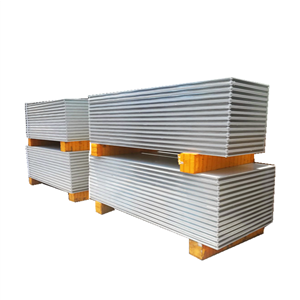
? As a reference, SAMZOON provides fire-rated sandwich panels covering stainless steel rock wool and magnesium categories, with drawing-based splitting and sequential scheduling to support "match-the-number" installation.
4️⃣ Step 4: Fire Compartmentation Sealing (This Step Determines System Compliance)
? Fire compartmentation sealing is where most fire-rated installations fail — because the focus is often on the panels themselves, while the joints, penetrations, and interfaces are treated with ordinary materials.
╔═════════════════════════════════════════════════════════════════════════════╗
║              FIRE COMPARTMENTATION SEALING CHECKLIST                        ║
║                                                                             ║
║   ┌─────────────────────────────────────────────────────────────────────┐   ║
║   │  ? SEAM SEALING                                                    │   ║
║   │     ☐ Fire-rated sealant matching the compartment rating            │   ║
║   │     ☐ Sealant compatible with panel surface material                │   ║
║   │     ☐ Sealant remains flexible at service temperature               │   ║
║   ├─────────────────────────────────────────────────────────────────────┤   ║
║   │  ? PENETRATION SEALING                                             │   ║
║   │     ☐ Fire-rated penetration seals for all utilities                │   ║
║   │     ☐ Fire compartmentation maintained at each penetration          │   ║
║   │     ☐ Documentation for each penetration treatment                  │   ║
║   ├─────────────────────────────────────────────────────────────────────┤   ║
║   │  ? INTERFACE SEALING                                               │   ║
║   │     ☐ Fire-rated sealant at floor, ceiling, and wall interfaces     │   ║
║   │     ☐ Fire-rated door and opening interface sealing                 │   ║
║   │     ☐ Fire compartmentation continuity at structural connections    │   ║
║   └─────────────────────────────────────────────────────────────────────┘   ║
╚═════════════════════════════════════════════════════════════════════════════╝
⚠️ The 3 Critical Failure Points
╔═════════════════════════════════════════════════════════════════════════════╗
║              THE 3 CRITICAL FAILURE POINTS                                   ║
║                                                                             ║
║   ┌─────────────────────────────────────────────────────────────────────┐   ║
║   │  ❌ FAILURE POINT 1: NON-FIRE-RATED SEALANTS                        │   ║
║   │                                                                     │   ║
║   │  Using ordinary sealants at fire-rated joints                       │   ║
║   │  → Compromises the entire system's fire performance                 │   ║
║   │  → Even Class A panels cannot compensate                            │   ║
║   │                                                                     │   ║
║   │  ✅ FIX: Use fire-rated sealants matching the compartment rating     │   ║
║   ├─────────────────────────────────────────────────────────────────────┤   ║
║   │  ❌ FAILURE POINT 2: UNPROTECTED PENETRATIONS                       │   ║
║   │                                                                     │   ║
║   │  Electrical, data, and HVAC penetrations without fire-rated seals   │   ║
║   │  → Create fire paths through the compartment                       │   ║
║   │  → Fire compartmentation becomes ineffective                        │   ║
║   │                                                                     │   ║
║   │  ✅ FIX: Use fire-rated penetration seals for all utilities          │   ║
║   ├─────────────────────────────────────────────────────────────────────┤   ║
║   │  ❌ FAILURE POINT 3: ORDINARY DOORS AND HARDWARE                    │   ║
║   │                                                                     │   ║
║   │  Non-fire-rated doors or hardware at fire-rated openings            │   ║
║   │  → Compromises fire compartmentation at the weakest point           │   ║
║   │  → Fire-rated panels become ineffective                             │   ║
║   │                                                                     │   ║
║   │  ✅ FIX: Use fire-rated doors and hardware matching the rating       │   ║
║   └─────────────────────────────────────────────────────────────────────┘   ║
╚═════════════════════════════════════════════════════════════════════════════╝
5️⃣ Step 5: Three "Non-Negotiables" at Acceptance
| ✅ Acceptance Item | ? Standard | ⚠️ Why It Matters |
|---|---|---|
| ? Fire Rating Verification | Type test report matches installed assembly | Determines fire acceptance outcome |
| ? Fire Compartmentation Continuity | No gaps at joints, penetrations, or interfaces | A single gap can compromise the entire compartment |
| ? Documentation | Type test report, product certificate, installation records, penetration seals | Required for fire acceptance and future inspections |
╔═════════════════════════════════════════════════════════════════════════════╗
║              ACCEPTANCE CHECKLIST                                           ║
║                                                                             ║
║   ☐  ? Fire rating verification: type test report matches ordered spec     ║
║   ☐  ? Fire-rated sealant at all joints                                    ║
║   ☐  ? Fire-rated penetration seals at all utilities                      ║
║   ☐  ? Fire-rated doors and hardware at all openings                       ║
║   ☐  ? Fire compartmentation continuity verified                           ║
║   ☐  ? Panel verticality and alignment check                               ║
║   ☐  ? Surface integrity check                                             ║
║   ☐  ? Documentation: type test report, certificates, installation records ║
╚═════════════════════════════════════════════════════════════════════════════╝
? Key Takeaways
? Layout design before installation is the prerequisite for realizing factory prefabrication efficiency on site — confirm fire compartmentation boundaries, fire-rated door positions, and penetration plans before panels ship.
? Fire-rated interface treatment determines system-level fire performance — fire compartmentation continuity, fire-rated doors and openings, fire-rated penetration seals, and structural connections are all part of the compliance scope.
⚠️ The 3 critical failure points: non-fire-rated sealants, unprotected penetrations, and ordinary doors/hardware — each one can compromise the entire system's fire performance, even with Class A panels.
? Fire compartmentation sealing is where most fire-rated installations fail — joints, penetrations, and interfaces must all use fire-rated materials, not just the panels.
✅ Acceptance hinges on fire rating verification, fire compartmentation continuity, and complete documentation — three non-negotiables for fire-rated compliance.
? SAMZOON supports the full workflow from sample verification and selection guidance to expedited scheduling and installation technical support for South China fire-rated projects.