Stainless Steel Composite Panel vs Solid Stainless Steel: What's the Real Difference?
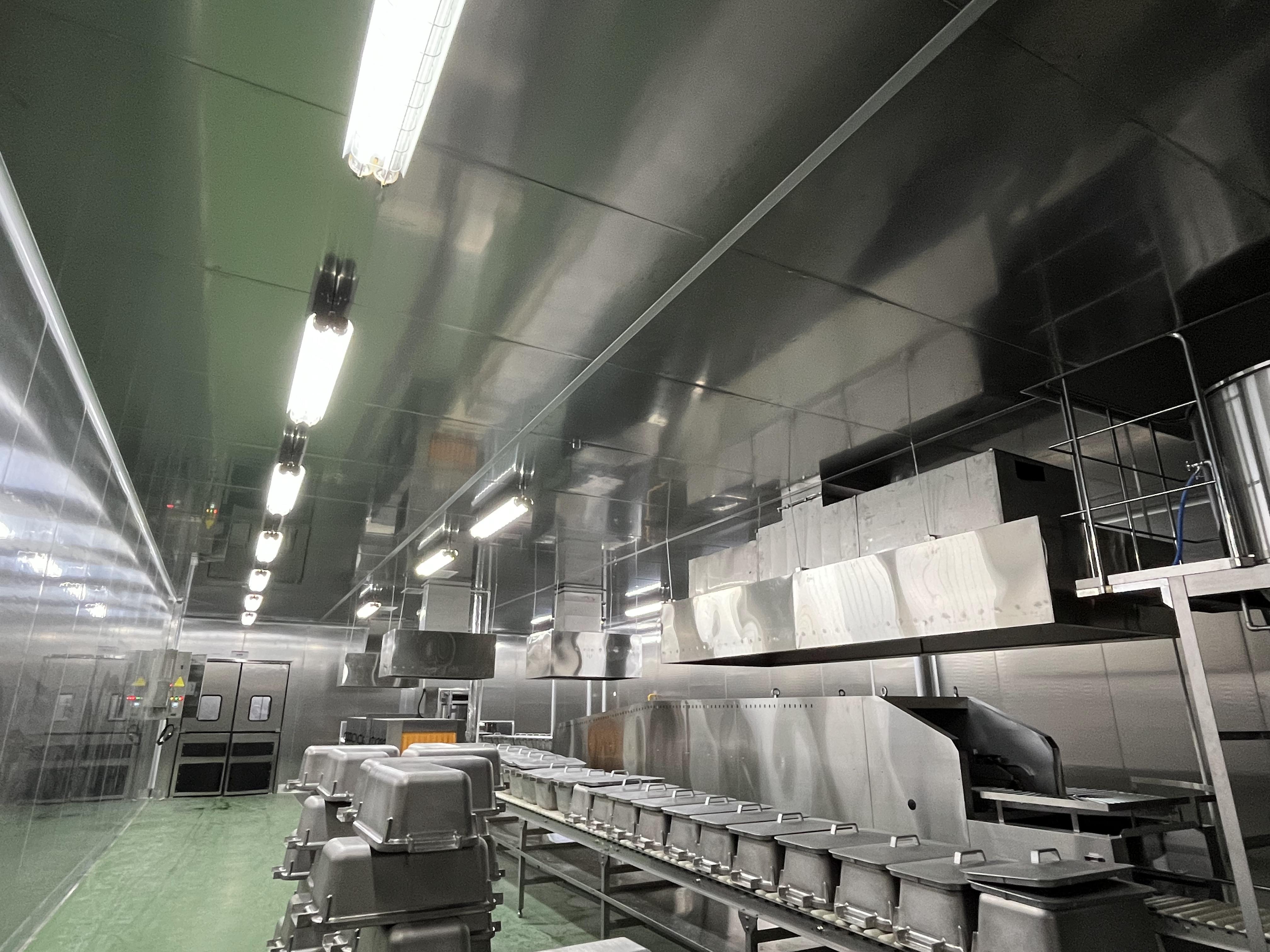
❓ Q1: What is a stainless steel composite panel?
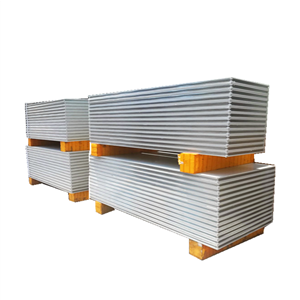
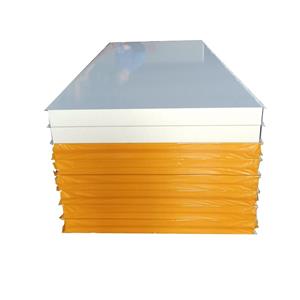
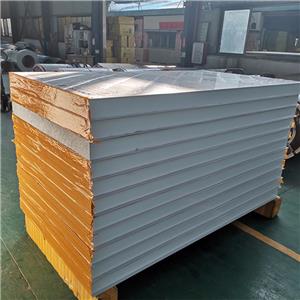
✅ A: A stainless steel composite panel is a factory-composite enclosure panel consisting of a thin stainless steel surface layer (0.5–1.0mm), a core material (rock wool, PU, aluminum honeycomb), and a backing layer. Its defining feature is that it provides the appearance and corrosion resistance of stainless steel at a fraction of the weight and cost of solid stainless steel.
? Key distinction: Solid stainless steel is 100% stainless steel throughout — heavier, more expensive, and often over-specified for enclosure applications.
❓ Q2: How is a stainless steel composite panel different from solid stainless steel?
✅ A: The key differences are in material composition, weight, cost, and installation:
| ? Aspect | ? Solid Stainless Steel | ? Stainless Steel Composite Panel |
|---|---|---|
| Material Composition | 100% stainless steel | Thin stainless surface + core + backing |
| Weight | ⚠️ Heavy (20–50 kg/m²) | ✅ Lightweight (12–25 kg/m²) |
| Cost | ⚠️ High (¥500–2,000/m²) | ✅ Lower (¥200–400/m²) |
| Structural Function | Load-bearing capable | Enclosure + insulation |
| Installation | Requires welding/framing | ✅ Single-step assembly |
| Corrosion Resistance | ✅ Excellent | ✅ Excellent (surface) |
| Fire Rating | Non-combustible | ✅ Class A (with appropriate core) |
| Typical Application | Equipment, tanks, structural | Cleanrooms, food processing, walls |
❓ Q3: What is the cost difference?
✅ A: The cost difference is significant — stainless steel composite panels cost 40–70% less than solid stainless steel:
╔═════════════════════════════════════════════════════════════════════════════╗
║              COST COMPARISON                                                ║
║                                                                             ║
║   ┌─────────────────────────────────────────────────────────────────────┐   ║
║   │  ? SOLID STAINLESS STEEL                                           │   ║
║   │     → Material: ¥500-2,000/m²                                       │   ║
║   │     → Installation: welding + framing                               │   ║
║   │     → Total: ¥800-2,500/m²                                          │   ║
║   ├─────────────────────────────────────────────────────────────────────┤   ║
║   │  ? STAINLESS STEEL COMPOSITE PANEL                                 │   ║
║   │     → Material: ¥200-400/m²                                         │   ║
║   │     → Installation: single-step assembly                            │   ║
║   │     → Total: ¥280-550/m²                                            │   ║
║   ├─────────────────────────────────────────────────────────────────────┤   ║
║   │  ? SAVINGS: 40-70% total cost reduction                            │   ║
║   └─────────────────────────────────────────────────────────────────────┘   ║
╚═════════════════════════════════════════════════════════════════════════════╝
⚠️ Key insight: For enclosure applications, the surface provides corrosion resistance — the core provides insulation and structure. Solid stainless steel is over-specified for walls and ceilings.
❓ Q4: What is the structural performance difference?
✅ A: Structural performance depends on application requirements:
| ? Structural Requirement | ? Solid Stainless Steel | ? Stainless Steel Composite Panel |
|---|---|---|
| Load-bearing | ✅ Excellent | ⚠️ Limited (enclosure only) |
| Impact resistance | ✅ Excellent | Moderate (with appropriate core) |
| Wind load | ✅ Excellent | Good (with proper anchoring) |
| Equipment mounting | ✅ Excellent | ⚠️ Requires reinforcement |
| Enclosure | ✅ Good | ✅ Excellent |
⚠️ Key insight: For load-bearing or equipment mounting, solid stainless steel is required; for enclosure and insulation, composite panels are sufficient and more cost-effective.
❓ Q5: When should I use composite vs solid stainless steel?
✅ A: Application-based selection:
╔═════════════════════════════════════════════════════════════════════════════╗
║              APPLICATION SELECTION                                          ║
║                                                                             ║
║   ┌─────────────────────────────────────────────────────────────────────┐   ║
║   │  ? USE STAINLESS STEEL COMPOSITE PANEL FOR:                        │   ║
║   │     → Cleanroom walls and ceilings                                  │   ║
║   │     → Food processing walls and ceilings                            │   ║
║   │     → Pharmaceutical cleanrooms                                     │   ║
║   │     → Exterior wall cladding                                        │   ║
║   │     → General enclosure                                             │   ║
║   ├─────────────────────────────────────────────────────────────────────┤   ║
║   │  ? USE SOLID STAINLESS STEEL FOR:                                  │   ║
║   │     → Equipment and tanks                                           │   ║
║   │     → Structural load-bearing                                       │   ║
║   │     → Food contact surfaces (direct)                                │   ║
║   │     → High-impact areas                                             │   ║
║   │     → Welded structures                                             │   ║
║   └─────────────────────────────────────────────────────────────────────┘   ║
╚═════════════════════════════════════════════════════════════════════════════╝
❓ Q6: What are the limitations of stainless steel composite panels?
✅ A: Limitations to consider:
| ⚠️ Limitation | ? What It Means |
|---|---|
| Limited load-bearing | Not for structural loads without reinforcement |
| Edge sealing | Cut edges must be sealed to prevent core exposure |
| Welding limitation | Not weldable like solid stainless steel |
| Impact limitation | Not for high-impact areas without reinforcement |
| Custom fabrication | Limited complex shapes compared to solid steel |
⚠️ Key insight: Composite panels are not a replacement for solid stainless steel in all applications — they are optimized for enclosure applications where weight, cost, and installation speed matter.
? SAMZOON provides stainless steel composite panels with 304/316L surfaces, with selection guidance based on application requirements for South China projects.
? Key Takeaways
? Stainless steel composite panel = thin stainless surface + core + backing — provides the appearance and corrosion resistance of stainless steel at lower weight and cost.
? Cost: composite panels cost 40–70% less than solid stainless steel (¥200–400/m² vs ¥500–2,000/m²).
⚖️ Weight: composite panels are lighter (12–25 kg/m² vs 20–50 kg/m²) — easier to handle and install.
?️ Structural performance: solid stainless steel is required for load-bearing and equipment mounting; composite panels are sufficient for enclosure and insulation.
? Application selection: composite panels for cleanroom walls, food processing, and exterior cladding; solid stainless steel for equipment, tanks, and structural applications.
? SAMZOON provides stainless steel composite panels with 304/316L surfaces, with selection guidance based on application requirements for South China projects.