Silicon Rock Purification‑Panel Site Operation Guide
?
Step 1: Pre‑construction preparation before silicon rock purification‑panel arrival
Before silicon rock purification panel is delivered to construction site, sort out construction drawings, reserved opening dimensions and technical specification requirements. Confirm acceptance criteria for core hardness, composite bonding and edge finish of engineering silicon rock panel.
Silicon rock purification panel features excellent moisture resistance, yet it still needs standardized site management. Unreasonable stacking and violent cutting will trigger fine‑powder pollution and hidden bonding defects inside clean‑room. Confirm flat stacking area and dust‑proof covering materials in advance to avoid unnecessary damage to custom silicon rock panel.
?
Step 2: Incoming inspection for silicon rock purification‑panel consignment
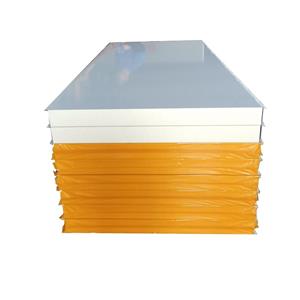
Carry out sampling inspection for each batch of silicon rock purification panel. Check surface flatness, scratch damage and tightness of metal‑skin bonding. Break partial sample edges to observe core compactness and curing completeness; incompletely‑cured core presents soft and crumbly texture. Measure dimension, thickness against contract parameters.
Although silicon rock core is not sensitive to water like rockwool, collision damage on panel edges will expose inner core and produce fine powder during cutting and vibration. As a Foshan‑based manufacturer familiar with clean‑room acceptance standards, SAMZOON silicon rock panel can provide incoming‑goods inspection check‑lists for custom silicon rock panel projects.
?
Step 3: Standard site storage and protection measures
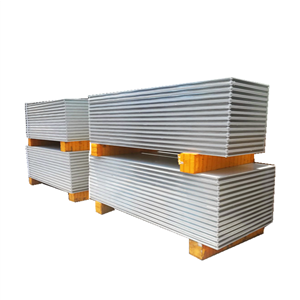
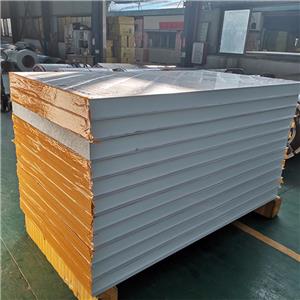
Place silicon rock purification panel on solid cushion blocks to isolate direct friction with ground. Cover panels with dust‑proof tarpaulin to block construction dust and mechanical impact. Do not stack heavy building materials on top of silicon rock purification panel; heavy pressure will cause inter‑layer separation and core crushing.
Silicon rock purification panel tolerates occasional damp better than rockwool purification panel, but long‑term soaking still degrades core performance. Do not store silicon rock purification panel in low‑lying water‑accumulation zones. SAMZOON silicon rock panel shares standardized storage operation suggestions for purification‑site material management.
✂️
Step 4: Regulate on‑site cutting and cut‑end disposal
Minimize secondary on‑site cutting of finished silicon rock purification panel. If cutting operation cannot be avoided, adopt dust‑collecting cutting tools to reduce fine‑powder diffusion. After cutting, thoroughly clean all residual silicon rock powder debris. Even though silicon rock core does not absorb water, smooth sealing treatment for cut‑end faces is still required to prevent powder escape inside clean‑room space.
Do not knock or pry panel cut‑end position violently. External impact will destroy core compactness and leave hidden powder‑falling sources for engineering silicon rock panel. Never remove factory edge‑wrapping structure without technical assessment.
✅
Step 5: Pre‑installation re‑check and installation control
Before formal installation, re‑inspect stacked silicon rock purification panel. Eliminate panels with core pulverization, edge crush damage or local debonding. Control fastening force during keel fixing; excessive screwing pressure will result in surface denting and inter‑layer blistering.
For food washing workshops and medical‑grade clean‑room zones with high‑humidity environment, strengthen sampling inspection frequency of custom silicon rock panel. SAMZOON silicon rock panel can deliver on‑site construction technical guidance for complex high‑humidity clean‑room scenarios.
?
Practical Summary
Silicon rock purification panel has better site adaptability compared with rockwool purification panel. However, improper storage, violent cutting and non‑standard installation will still cause powder pollution and clean‑room acceptance failure. Project teams can refer to mature operation experience from SAMZOON silicon rock panel, strictly implement every site‑handling procedure, and effectively avoid rework risks for building envelope panel projects.