PU Sandwich Panel Troubleshooting & Repair Guide
? Practical Guide for PU Sandwich Panel Defect Identification, Inspection, Prevention & On‑site Repair
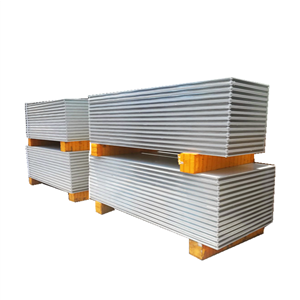
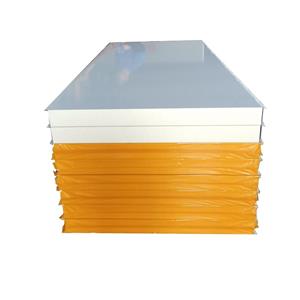
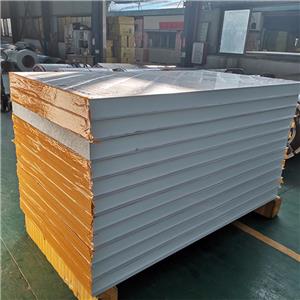
Step 1 ? Incoming Inspection: Detect inherent quality risks of PU sandwich panel in advance Goods receiving and unloading is the first line to avoid later‑stage defects of PU sandwich panel. Inspect each batch of incoming PU sandwich panel, check surface dents, scratches and edge collision damages. Check bonding condition between metal skin and PU foam core at panel edges, observe whether PU foam cells are fine and uniform without large holes or pulverization. Verify nominal thickness and coating specification of PU sandwich panel, reject under‑thickness panels with poor lamination workmanship. Keep moisture‑proof packaging intact. Stack PU sandwich panel on raised supports above damp ground, never place PU sandwich panel directly on wet floor. SAMZOON can supply inspection checklists for PU sandwich panel projects, and free samples are available for pre‑project quality evaluation.
Step 2 ?️ Lifting & Handling: Prevent hidden damage leading to PU sandwich panel failures Improper lifting and handling will create invisible internal damage to PU sandwich panel, which will develop into blistering and delamination months after commissioning. Do not use rigid steel wire ropes to bind edges of PU sandwich panel; wide soft lifting straps are required. Avoid heavy collision with steel structures during hoisting. Place flexible cushion layers between stacked PU sandwich panel. Workers are forbidden to step directly on PU sandwich panel surface. Prefer dust‑free cutting tools for PU sandwich panel cutting, prevent high‑temperature burning damage on PU foam core at cross‑sections. Seal cut ends immediately after cutting to stop moisture penetrating into inner layer of PU sandwich panel from end faces.
Step 3 ? Construction Detail Treatment: Eliminate root causes of thermal bridge and joint water leakage Thermal bridge and joint water leakage mostly stem from careless construction details when installing PU sandwich panel. Fit thermal‑insulation gaskets under every screw point to mitigate thermal bridge effect of PU sandwich panel. Follow required overlapping dimension especially for exterior PU sandwich panel. Thoroughly clean and dry panel gaps before sealant application, adopt multi‑layer gluing instead of simple gap filling. For coastal sites, high‑humidity clean‑rooms and food factories, install extra waterproof pressure strips for exterior seams of PU sandwich panel. Pay special attention to beam‑column joints and door‑window openings which are high‑risk leakage positions. SAMZOON provides professional construction technical guidance for complex details, helping reduce condensation and water‑leakage risks of PU sandwich panel.
Step 4 ? Full Inspection After Completion: Detect potential defects of PU sandwich panel before handover Do not finish project acceptance right after all PU sandwich panel installation. Carry out comprehensive inspection: visually check whole surfaces for tiny blisters and crack gaps; confirm continuous intact sealant on all screw points and panel joints. For cold‑storage projects, run cooling system for 2‑3 consecutive days, closely monitor seams and screw positions for condensation and dripping water. Fix minor defects timely before project handover, since repairing after delivery will cause much higher cost for PU sandwich panel projects.
Step 5 ?️ Graded On‑site Troubleshooting for blistering, water leakage and delamination of PU sandwich panel ① Minor joint water leakage: Remove all aged sealant, polish gaps and dry internal moisture completely, apply multi‑layer weather‑resistant sealant; add waterproof pressure strips if necessary. ② Small‑area blistering with intact foam core: Fully seal surrounding blister area to block further moisture ingress into PU sandwich panel interlayer, and conduct regular condition follow‑up. ③ Partial edge delamination: Clean peeled interface, inject high‑strength structural adhesive, press and maintain curing period, apply outer sealing protection after finishing. ④ Large‑scale blistering, delamination or water‑soaked core: Repair cannot guarantee long‑term performance, replace damaged PU sandwich panel directly.
Note: Large‑area patching for PU sandwich panel is not recommended in clean‑room and pharmaceutical workshops. Water‑damaged PU sandwich panel shall be replaced to prevent non‑compliance of cleanliness standards.
Step 6 ? Routine Maintenance: Extend service life of PU sandwich panel Set up regular inspection schedule after project operation. Check sealant aging and cracking condition of PU sandwich panel every year. Examine surface coating corrosion for exterior PU sandwich panel. Clear accumulated water and dust on panel surface timely. Shorten inspection cycle for coastal salt‑spray environments. Avoid sharp‑object impact on PU sandwich panel surface. Do not drill holes arbitrarily on PU sandwich panel. Complete full sealing treatment for any new openings to avoid new water‑leakage hazards of PU sandwich panel.