PU Sandwich Panel: Storage & Installation Guide
?
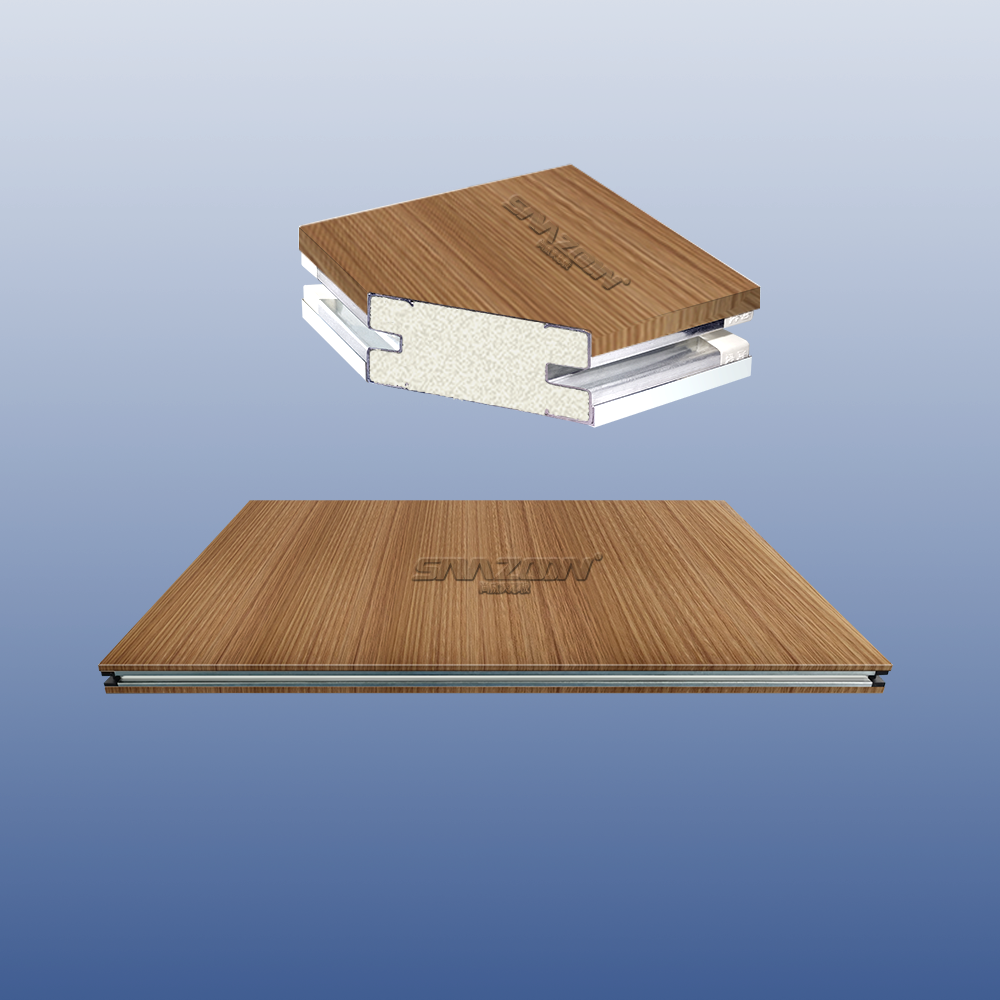
PU sandwich panel features excellent thermal‑insulation performance and is widely applied in cold‑storage and clean‑room projects. However, the performance of PU sandwich panel can be compromised by improper storage, careless cutting and non‑standard installation. PU foam core is sensitive to moisture, ultraviolet radiation and mechanical damage. Improper field handling will cause core moisture absorption, edge aging, interlayer debonding and air‑leakage after completion. Drawing from numerous South‑China cold‑storage and clean‑room project experiences, SAMZOON sorts out full‑set practical operation norms for PU sandwich panel.
?
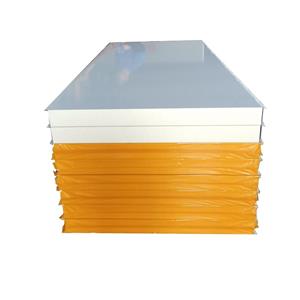
Strict incoming inspection is the first step for PU sandwich‑panel construction. After PU sandwich‑panel delivery, check surface condition for scratches, dents and composite gaps. Verify panel thickness, metal skin specification, core formula and dimension against order contract. For cold‑storage‑grade PU sandwich panel, confirm relevant test documents for low‑temperature resistance. Any defective PU sandwich panel shall be marked and isolated, and shall not flow into installation procedures. Random sampling can be carried out to check bonding tightness of PU sandwich panel core and metal skins.
?
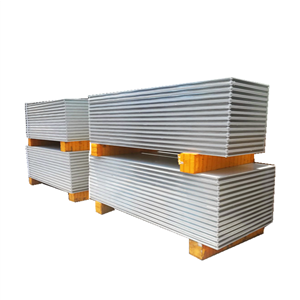
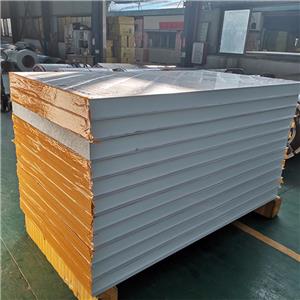
Storage environment has a great influence on service life of PU sandwich panel. PU sandwich panel shall be stacked in dry, ventilated and covered warehouse space. Keep PU sandwich panel far away from ground dampness, rainwater and direct sunlight. Long‑term ultraviolet exposure will accelerate aging of PU foam core. Place supporting pads at the bottom of PU sandwich‑panel stacks. Avoid heavy objects pressing on PU sandwich panel surface. Do not open the protective film of PU sandwich panel too early; remove protective film only right before installation.
✂️
Cutting and edge‑sealing treatment is a critical procedure for PU sandwich panel. Try to finish PU sandwich‑panel cutting indoors as much as possible to prevent rain and dew from touching exposed foam core. After cutting PU sandwich panel, exposed cross‑sections of PU foam core must be fully sealed in time. Unsealed openings will become channels for water vapor infiltration, gradually triggering core dampness, insulation attenuation and internal debonding of PU sandwich panel. Use proper cutting tools to reduce foam‑core fragmentation, clean foam residues before sealing PU sandwich‑panel edges.
?
Key points during PU sandwich‑panel installation deserve sufficient attention. Control joint gaps reasonably, select matched sealant and sealing accessories adapted to cold‑storage or clean‑room scenarios. For cold‑storage projects, special low‑temperature‑resistant sealant shall be adopted; ordinary sealant will crack under long‑term low‑temperature condition. Fastener position shall avoid direct penetration through main thermal‑insulation area of PU sandwich panel as far as possible. Handle PU sandwich panel gently during hoisting and laying to prevent surface deformation and corner damage. After PU sandwich‑panel assembly, inspect joint tightness to eliminate air‑leakage hidden risks.
⚠️
Post‑installation protection work cannot be ignored. Avoid high‑temperature heat sources directly radiating toward PU sandwich‑panel wall surface. Prevent welding sparks from scorching PU sandwich‑panel foam core during cross‑construction work. Damaged local positions of PU sandwich panel need timely repair and sealing treatment. Before project acceptance, conduct overall inspection for PU sandwich‑panel seams, corners and cut‑off sections.
?
As a Foshan local source manufacturer, SAMZOON is familiar with acceptance requirements of purification and cold‑storage projects. We support customized PU sandwich‑panel production, urgent production scheduling and free sample provision. Our technical team can offer on‑site‑oriented construction guidance for PU sandwich panel, helping engineering teams standardize operation and reduce on‑site faults. Plenty of South‑China project landing cases are available for reference.
Following standardized storage, cutting and installation specifications is essential to give full play to thermal‑insulation performance of PU sandwich panel and ensure smooth acceptance of cold‑storage and clean‑room projects.