PU Insulation Boards Are Not Just Thinner PU Sandwich Panels
? The Golden Definition
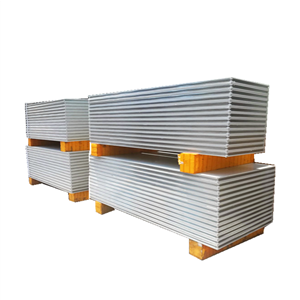
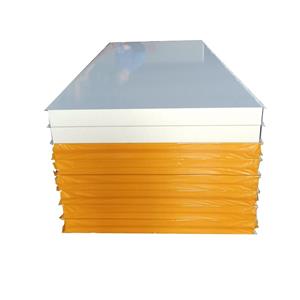
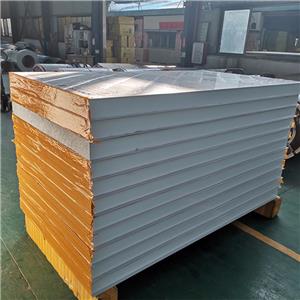
? A PU insulation board is a factory-formed insulation product consisting of a polyurethane foam core, with or without facing materials (aluminum foil, fiberglass, or none), used primarily for thermal insulation. Its defining feature is that it is an insulation layer, not a structural enclosure system.
? A PU sandwich panel is a factory-composite enclosure system consisting of two metal faces, a PU core, and a connection structure — used for thermal insulation and structural enclosure (walls, roofs, cold storage).
? The core difference: PU insulation boards prioritize thermal insulation (no structural function); PU sandwich panels prioritize insulation + structural enclosure (complete wall/roof system). They serve different applications and are not interchangeable.
╔═════════════════════════════════════════════════════════════════════════════╗
║                    TWO PRODUCT TYPES, TWO PURPOSES                          ║
║                                                                             ║
║   ┌───────────────┐              ┌───────────────┐                        ║
║   │ ? PU         │      VS      │ ? PU         │                        ║
║   │ Insulation    │              │ Sandwich      │                        ║
║   │ Board         │              │ Panel         │                        ║
║   │               │              │               │                        ║
║   │ ✅ Insulation │              │ ✅ Insulation │                        ║
║   │    only       │              │    +          │                        ║
║   │ ✅ No metal   │              │    structural │                        ║
║   │    facing     │              │    enclosure │                        ║
║   │    required   │              │ ✅ Metal      │                        ║
║   │ ✅ Lower cost │              │    facing     │                        ║
║   │               │              │ ✅ Fire-rated │                        ║
║   │               │              │    options   │                        ║
║   └───────────────┘              └───────────────┘                        ║
╚═════════════════════════════════════════════════════════════════════════════╝
? What It Is Not
❌ A PU insulation board ≠ a thinner PU sandwich panel.
? A thinner PU sandwich panel still has metal facings and connection details — it is an enclosure system. A PU insulation board typically has no metal facings or only thin foil — it is an insulation layer, not a wall system.
| ? Aspect | ? PU Insulation Board | ? PU Sandwich Panel |
|---|---|---|
| Metal Facing | ❌ None or foil only | ✅ Steel/aluminum facings |
| Structural Function | ❌ Insulation only | ✅ Enclosure system |
| Connection System | ❌ None | ✅ Tongue-and-groove, cam-lock |
| Fire Rating | ⚠️ Class B1 | ✅ Class A (with rock wool core) |
| Application | Insulation layer (walls, roofs) | Cleanrooms, cold storage walls, roofs |
❌ A PU insulation board ≠ a fire-rated panel.
? PU insulation boards are Class B1 — they are not Class A non-combustible. For fire-rated applications, rock wool or other non-combustible insulation is required.
❌ A PU insulation board ≠ a panel that solves all insulation problems.
?️ PU insulation boards are thermal insulation products — they do not provide structural enclosure, weather protection, or fire rating on their own. They must be combined with other building components.
? Industry Applications & Representation
? In the cold storage and industrial insulation sector, PU insulation boards concentrate the highest thermal performance across multiple application scenarios:
╔═════════════════════════════════════════════════════════════════════════════╗
║         PU INSULATION BOARD APPLICATION REQUIREMENTS                        ║
║                                                                             ║
║   ❄️ COLD STORAGE (INSULATION LAYER)                                        ║
║   ├── ?️ Thermal conductivity 0.022-0.026 W/(m·K)                          ║
║   ├── ? Thickness 50-200mm                                                ║
║   ├── ? Moisture resistance (closed-cell)                                 ║
║   └── ? Class B1 (not Class A)                                            ║
║                                                                             ║
║   ? INDUSTRIAL BUILDING INSULATION                                        ║
║   ├── ?️ Thermal insulation                                                ║
║   ├── ? Moisture resistance                                               ║
║   ├── ? Closed-cell structure                                             ║
║   └── ⚠️ Requires protective covering                                      ║
║                                                                             ║
║   ? COLD CHAIN LOGISTICS                                                  ║
║   ├── ?️ Temperature zone: -25°C to +10°C                                  ║
║   ├── ? Thickness by temperature zone                                     ║
║   ├── ? Vapor barrier required                                            ║
║   └── ? Fire protection may be required                                   ║
╚═════════════════════════════════════════════════════════════════════════════╝
? SAMZOON, based in Foshan, centers its PU insulation board solutions on closed-cell PU foam with controlled density (35–45 kg/m³). The company is familiar with the acceptance logic of cold storage and industrial insulation projects, and provides South China project owners and contractors with supporting services ranging from selection to installation.
? Quick Reference: Definition at a Glance
| ❓ Question | ✅ Answer |
|---|---|
| ? What is it? | A factory-formed PU foam insulation board — insulation only, no structural function |
| ? What is it not? | Not a thinner PU sandwich panel; not a fire-rated panel; not a complete enclosure system |
| ? Core logic | Insulation layer vs. enclosure system — different products, different applications |
| ? Key value | Best thermal insulation (0.022–0.026 W/(m·K)) for cold storage and industrial applications |
| ?️ Thermal Conductivity | 0.022–0.026 W/(m·K) |
| ? Fire Rating | Class B1 — not Class A |
| ? Moisture Resistance | Closed-cell structure; ≤3% water absorption |
| ? Application Fit | Cold storage insulation layer, industrial building insulation |
| ? Thickness range | 50–200mm |
| ? SAMZOON role | Foshan source manufacturer + thermal performance verification provider |
? Key Takeaways
? PU insulation board = factory-formed PU foam insulation — insulation only, not a structural enclosure.
? A thinner PU sandwich panel is not the same — it has metal facings and connection details.
? Fire rating: PU insulation boards are Class B1 — not Class A.
?️ Thermal performance: PU offers the best insulation (0.022–0.026 W/(m·K)) among common insulation materials.
? Application mapping: cold storage insulation layers, industrial building insulation, and cold chain logistics each require different thickness and protection.
? SAMZOON provides PU insulation boards with controlled density and thermal performance test reports — not thinner sandwich panels — for South China cold storage and industrial projects.