PIR Sandwich Panel: Cold Chain & Industrial Building Market Trends
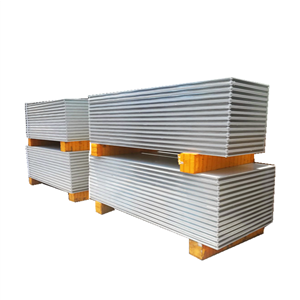
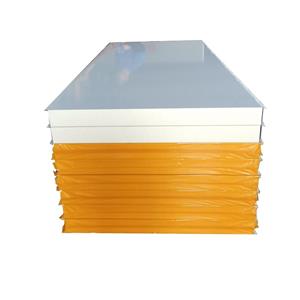
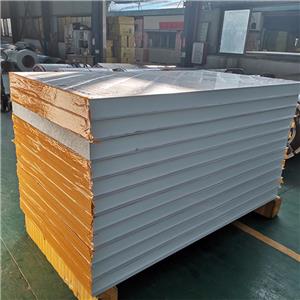
? The rapid expansion of global cold chain infrastructure and upgrading of industrial plant envelopes keep boosting the market demand for PIR sandwich panel. Benefiting from low thermal conductivity, stable low-temperature performance and superior fire resistance, PIR sandwich panel has become the preferred insulation material for medium and large cold storage facilities. Meanwhile, stricter fire safety regulations and energy-saving standards continuously raise higher requirements for PIR sandwich panel. Combined with abundant South China cold storage and industrial project experience, SAMZOON sorts out key industry trends of PIR sandwich panel and corresponding countermeasures for engineering purchasers.
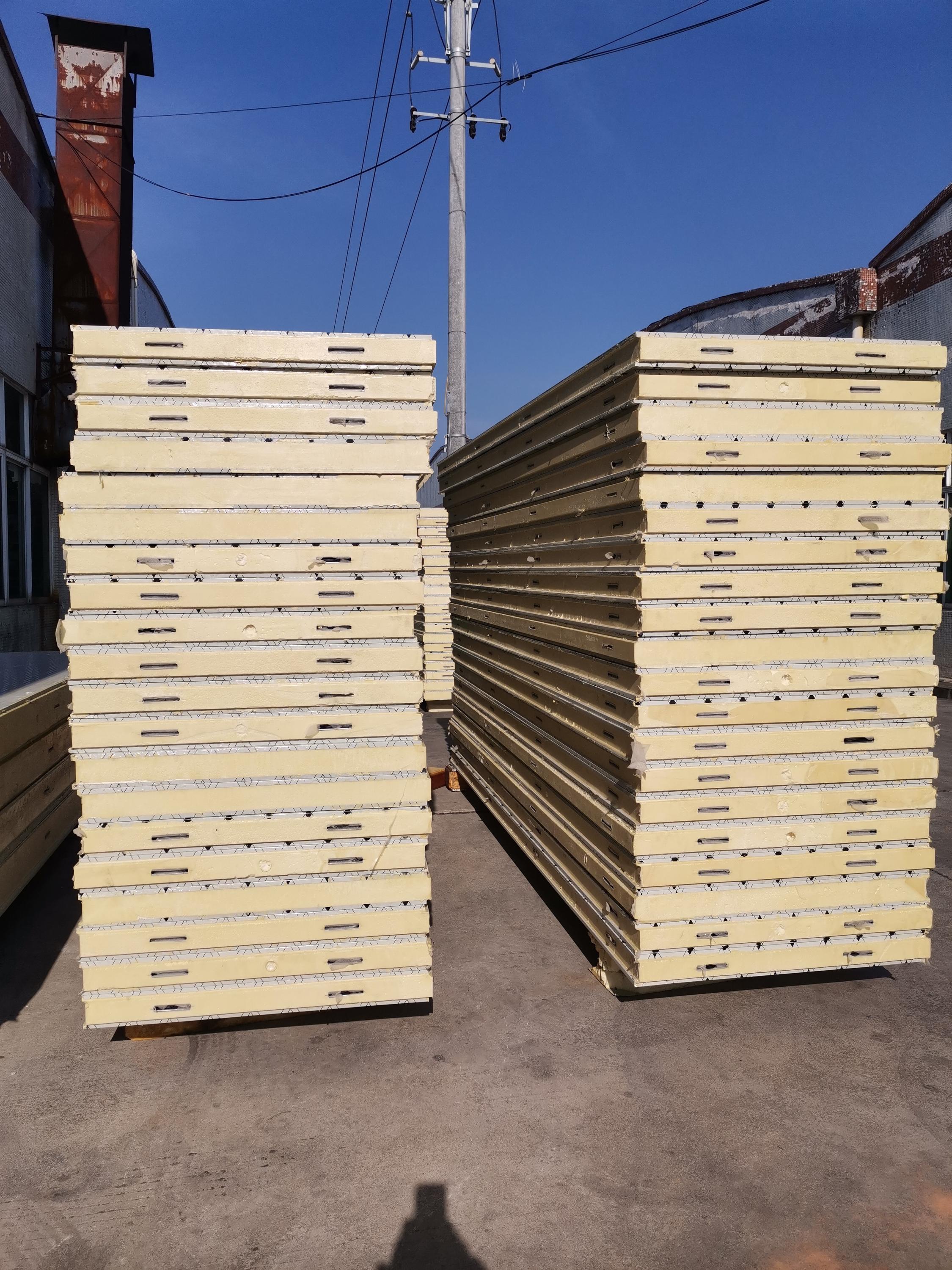
? Tougher fire safety codes push up the quality threshold for foam insulation panels. Many regions have strengthened fire inspection on building insulation materials. Ordinary PU foam panels can no longer satisfy the fire rating requirements of many industrial and cold storage projects. PIR sandwich panel, which can form a carbonized char layer to block flame propagation, is increasingly specified in project bidding documents. Buyers must verify finished-product fire test reports of PIR sandwich panel instead of accepting foam core test reports separately. Inferior PIR sandwich panel with insufficient cross-linking will lose fire resistance after aging, bringing huge risks for project acceptance.
❄️ Large-scale multi-temperature zone cold storage drives the formulation optimization of PIR sandwich panel. Modern logistics cold warehouses often contain multiple temperature zones, from constant temperature refrigeration to deep-freeze storage. Different temperature zones put forward differentiated demands on low-temperature stability of foam core. High-performance PIR sandwich panel can maintain stable thermal conductivity without cracking or shrinkage under long-term ultra-low temperature environment. More project tenders clearly require low-temperature aging test data for PIR sandwich panel.
? Higher energy-saving standards promote high-efficiency insulation materials. New building energy-saving codes demand lower heat transfer coefficient for building envelopes. PIR sandwich panel’s advantage of ultra-low thermal conductivity helps reduce long-term refrigeration power consumption of cold storage. In the long run, using high-quality PIR sandwich panel can cut operating energy costs significantly. More owners start to evaluate the full lifecycle cost instead of only focusing on the initial purchase price of PIR sandwich panel.
? Hybrid material matching becomes mainstream for complex industrial projects. A single type of PIR sandwich panel cannot meet all fire, thermal insulation and mechanical requirements of integrated projects. Many large projects adopt mixed layout: PIR sandwich panel for cold storage main body and fire-critical insulation areas; XPS sandwich panel for constant-temperature auxiliary rooms; non-combustible fiber core panels for partition areas with highest fire protection demands. This trend requires suppliers to provide systematic material selection consultation and unified construction technical support, rather than only supplying PIR sandwich panel.
? As a Foshan local source manufacturer, SAMZOON keeps upgrading the formula of PIR sandwich panel to match evolving industry standards. We supply standard and customized PIR sandwich panel, together with PU, XPS and fiber core panel series. We support urgent production scheduling and free sample delivery. Our technical team provides systematic material selection solutions for mixed-material projects, matching suitable PIR sandwich panel according to local fire codes, operating temperature and site conditions. A large number of South China cold-chain and industrial project cases can be checked for reference.
When planning procurement of PIR sandwich panel, keep up to date with local fire safety and energy-saving specifications. Combine project temperature zones, fire rating requirements and lifecycle budget to select qualified PIR sandwich panel or adopt mixed-material configuration. Keeping track of industry trends helps effectively control project acceptance risks and reduce long-term energy consumption.