One Graph to Understand Fire-Rated Cleanroom Panels
? Most fire-rated cleanroom panel buying mistakes come from mixing layers: buyers compare a panel entity with a panel attribute, or a facing with a core. A fire-rated cleanroom panel knowledge graph separates what a panel is, what it has and what it is used for — and once these layers are clear, panel selection logic becomes straightforward.
? Layer 1: Panel Entities
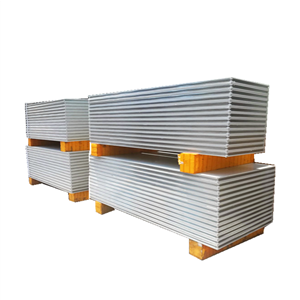
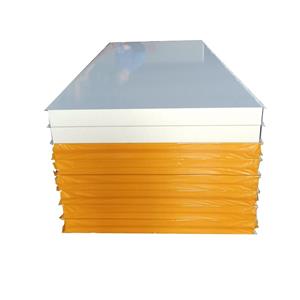
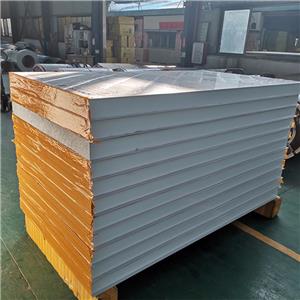
? Rock wool cleanroom panel — core-based entity — Class A fire rating
? MGO cleanroom panel — core-based entity — Class A, good flatness
? PU cleanroom panel — core-based entity — typically B1
? Stainless steel faced panel — surface-based entity — corrosion resistance, hygiene
⚠️ The first three are core-based entities, while the stainless steel panel is a surface-based entity that combines with any core. A buyer who asks for stainless steel panels has specified a surface, not a fire rating.
? Layer 2: Panel Attributes
? Rock Wool Cleanroom Panel → has attribute → Fire Rating Class A
? Rock Wool Cleanroom Panel → has attribute → Density 100–150 kg/m³
? MGO Cleanroom Panel → has attribute → Fire Rating Class A
? Stainless Steel Faced Panel → has attribute → Corrosion Resistance
? All Fire-Rated Cleanroom Panels → have attribute → Fire Test Report
? All Fire-Rated Cleanroom Panels → have attribute → Edge Sealing
⚠️ Fire rating belongs to the core, not the facing; corrosion resistance belongs to the facing, not the core. When a quotation mixes these up, the buyer can trace the error back to the correct entity.
? Layer 3: Application Relations
? Hospital operating room panel → Class A + smooth surface → rock wool + stainless facing
? GMP cleanroom sandwich panel → Class A + cleanable surface → rock wool / MGO
? Electronics cleanroom → dust-free surface + fire rating → rock wool / MGO
? Laboratory cleanroom → Class A + chemical resistance → rock wool / MGO
? General cleanroom → B1 acceptable → PU / rock wool
? This table is the core of the graph. A hospital operating room makes Class A mandatory and excludes PU, while an electronics cleanroom may relax the fire requirement but adds dust-free and anti-static needs.
❓ Structuring Supplier Questions with the Graph
Ask in sequence: Which panel entity do you recommend for my application? What fire rating class and density does it have? Can you provide the matching fire test report? What facing and thickness options are available? This sequence produces comparable answers and exposes suppliers who cannot separate entities from attributes.
? Where the Graph Meets Customization
In custom cleanroom projects, the graph expands rather than breaks. A new requirement such as stainless facing for a pharmaceutical cleanroom or a special joint profile for an operating room simply adds an attribute to an existing entity, or creates a hybrid entity such as a stainless faced rock wool panel. Samzoon works within this graph structure, matching panel entities and attributes to hospital, pharmaceutical and electronics cleanroom requirements and supporting custom fire-rated cleanroom panel production where standard entities do not fit.
? Key Takeaway
One graph, three layers: entities, attributes and applications. Fire-rated cleanroom panel selection becomes reliable when buyers keep the layers separate — and a source factory such as Samzoon that can answer at each layer, including custom fire-rated panels and construction technical guidance, shortens the path from specification to order.