Metal Sandwich Wall Panel Flatness Troubleshooting
Step 1: Raw material incoming inspection before unloading ? Check flatness of every batch of metal sandwich wall panel upon arrival. Visually scan panel surface for existing waves, bow or twist. Verify steel skin thickness, core material density and overall straightness. Reject obviously distorted metal sandwich wall panel before hoisting. SAMZOON implements strict flatness inspection before export shipment.
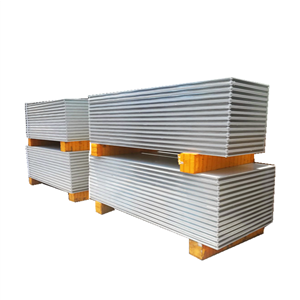
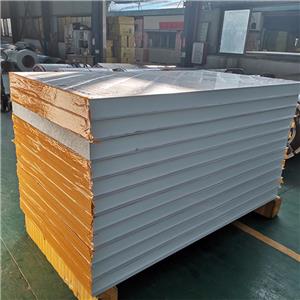
Step 2: Correct stacking & on‑site storage ? Improper stacking is one major cause of metal sandwich wall panel permanent wavy deformation. Place even support sleepers underneath, keep horizontal stacking, avoid over‑height stacking load. Keep panels away from direct sunlight exposure for long‑term storage. Do not place heavy equipment or goods on top of metal sandwich wall panel stacks.
Step 3: Purlin system flatness verification ? Check steel purlin flatness, deflection and spacing. Uneven purlins, excessive purlin span will force metal sandwich wall panel into wavy shape after screw fastening. Adjust or reinforce deformed purlins before mounting metal sandwich wall panel. Follow design‑specified purlin spacing strictly, do not enlarge span to save steel cost.
Step 4: Panel lifting and positioning control ?️ Use soft sling for hoisting metal sandwich wall panel; hard steel rope will dent metal surface and leave permanent indentation. Place panel naturally onto purlin frame, never force‑bend or twist metal sandwich wall panel to fit misaligned frames. Fully engage male‑female interlock without forced extrusion.
Step 5: Fastener tightening torque control ? Over‑tightening self‑drilling screws is a very common trigger for local dimples and surface waves on metal sandwich wall panel. Fasten screws until EPDM washer is slightly compressed, do not keep twisting further. Keep fastener position aligned with purlin center, avoid offset fastening which pulls panel surface out of flat shape.
Step 6: Joint gap & thermal expansion reserve ?️ Reserve proper expansion gap for metal sandwich wall panel to absorb thermal expansion and contraction. Zero‑gap installation will generate internal stress and result in bowing or wavy surface under high temperature. Keep joint clean, no foreign debris stuck between panel interlocks. Foreign particles will create bumps on wall surface.
Step 7: Opening cutting detail handling ⚙️ When cutting openings on metal sandwich wall panel, avoid large single‑span unsupported area around cut‑out position. Add local reinforcing keels around door‑window openings. Improper cutting without reinforcement leads to partial panel warping nearby openings.
Step 8: On‑site acceptance of flatness ✅ Carry out visual inspection under oblique light which can easily expose subtle waves and bowing. Check full wall surface, panel joints, screw points and opening surrounding areas. Measure flatness deviation according to industrial standard. Record inspection result for project handover.
Step 9: Post‑installation protection reminder ? Prevent heavy impact, welding spark burn and heavy load pressing on finished metal sandwich wall panel wall. High temperature direct sunlight cannot cause immediate damage, but accumulated thermal stress should be released via reserved expansion gaps.
Typical pitfalls to avoid: ‑ Over‑height stacking causing permanent compression deformation of metal sandwich wall panel ‑ Over‑tighten screws creating local dents and surface waves ‑ Use hard lifting rope scratching and denting metal skin ‑ Too‑wide purlin span beyond panel load capacity ‑ No thermal expansion gap reserved for metal sandwich wall panel joints