Mechanism‑Panel Site‑Acceptance Guide
?
Step 1: Pre‑check preparation before mechanism panel arrives on‑site
Before the delivery of mechanism panel for purification projects, prepare flat, dry storage ground and rain‑proof protective materials. Sort out the delivery list, technical specification sheet and confirmed sample comparison standard.
Clarify the inspection division between general contractor and material supplier. Confirm key indicators including dimension range, surface requirement and edge‑sealing standard of clean‑room mechanism panel. Incomplete preparation will cause missed inspection of defective mechanism panel and bring hidden risks for later‑stage clean‑room operation.
?
Step 2: Complete visual & dimensional inspection upon mechanism panel arrival
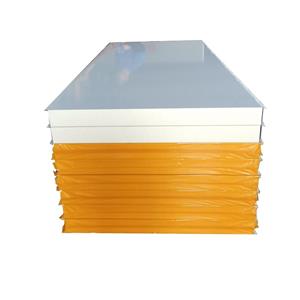
Carry out overall appearance inspection for each batch of mechanism panel. Check surface scratches, edge collapse, corner damage and bonding separation phenomenon. Measure actual dimension, thickness and straightness of engineering mechanism panel to verify whether they conform to contract requirements.
Pay special attention to the cut end quality of mechanism panel. Damaged end faces without protection may absorb moisture and trigger core‑material deterioration in clean‑room environment. SAMZOON mechanism panel, as a Foshan‑based source manufacturer familiar with purification‑project norms, can provide reference check‑lists for custom mechanism panel and assist project teams to finish incoming‑goods inspection work.
?
Step 3: Standard on‑site storage and protection for mechanism panel after acceptance
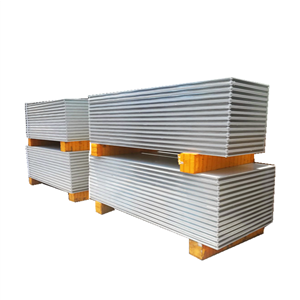
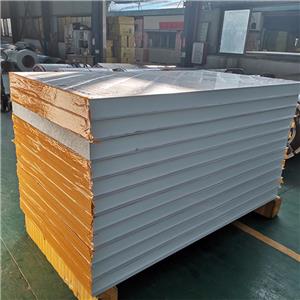
Qualified mechanism panel shall be stacked on dry, level ground with spacer blocks. Avoid direct contact with damp ground. Keep away from rain, dust and construction debris. Do not place heavy objects on the surface of clean‑room mechanism panel to prevent plate surface dent and deformation.
Improper stacking and damp exposure are common causes of mechanism panel quality degradation on construction sites. Even qualified products before delivery may become unqualified engineering mechanism panel due to poor‑storage conditions. SAMZOON mechanism panel shares standardized storage suggestions for purification‑site material management.
✂️
Step 4: Regulate on‑site cutting and secondary processing of mechanism panel
When on‑site cutting for mechanism panel is necessary, adopt dust‑reducing cutting tools. Avoid high‑temperature burning which may damage composite structure. After cutting, clean up debris thoroughly and carry out anti‑pollution sealing treatment for cut ends.
Residual dust and burrs from cutting will remain inside clean‑room space, which may lead to project acceptance problems. Do not arbitrarily modify the structural edge‑sealing position of mechanism panel without technical evaluation.
✅
Step 5: Spot‑sampling re‑inspection before installation of mechanism panel
Before formal installation, take random samples from mechanism panel batches. Re‑check flatness, bonding tightness and surface completeness. Eliminate panels with hidden defects missed in initial acceptance. For medical‑grade clean‑room projects, strengthen sampling frequency of custom mechanism panel to match stricter environment requirements.
?
Practical Summary
Mechanism‑panel quality control is not finished at factory delivery. On‑site receiving, storage and processing directly determine the final effect of clean‑room mechanism panel. Project teams can refer to mature‑site operation experience from manufacturers such as SAMZOON mechanism panel, strictly implement every acceptance link, and effectively avoid rework risks for building envelope panel projects.