Magnesium Oxide Antibacterial Panel: Clean‑room Installation Guide
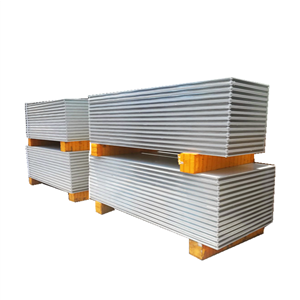
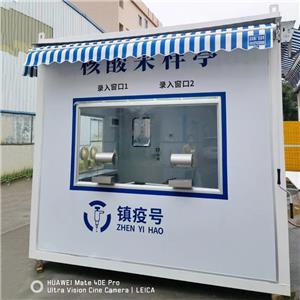
With Class‑A fire resistance, built‑in antibacterial property and moisture‑mildew resistance, magnesium oxide antibacterial panel is widely adopted in hospitals, laboratories, pharmaceutical GMP workshops, cosmetic and electronic clean‑rooms. The final cleanliness performance and service life of magnesium oxide antibacterial panel largely depend on the full workflow: pre‑project selection, incoming inspection, on‑site assembly & sealing and final completion acceptance. Improper construction may cause dust leakage at panel joints, moisture deformation and bacterial growth on seams, resulting in failure to pass clean‑room acceptance. Prepared for purification contractors and procurement staff, this practical workflow fits various purification projects in humid South‑China regions.
? Step1: Select magnesium oxide antibacterial panel according to project working conditionsMaterial selection is the critical starting point for purification projects. Do not make decisions merely based on unit price. Specify magnesium oxide antibacterial panel specs with full consideration of fire‑safety codes, cleanliness class, ambient humidity and application for wall or roof.
Standard magnesium oxide antibacterial panel is preferred for ordinary clean‑room walls. Reliable magnesium oxide antibacterial panel is recommended for hospital wards, auxiliary operating‑room zones and pharmaceutical production workshops. Moisture‑modified magnesium oxide antibacterial panel shall be adopted for high‑humidity areas. Stainless‑steel faced magnesium oxide antibacterial panel is available for environments with slight corrosion.
Important reminder: magnesium oxide antibacterial panel is Class‑A non‑combustible and meets most medical‑purification fire‑safety requirements. Confirm antibacterial test indexes comply with relevant industrial standards.
If you are uncertain about specifications, SAMZOON, local original manufacturer in Foshan, offers professional selection advice for magnesium oxide antibacterial panel and supports free samples to reduce risks of wrong selection.
✅ Step2: Incoming quality inspection for magnesium oxide antibacterial panelBefore hoisting and assembly after magnesium oxide antibacterial panel arrives at construction site, complete incoming inspection to prevent inferior magnesium oxide antibacterial panel from being used.
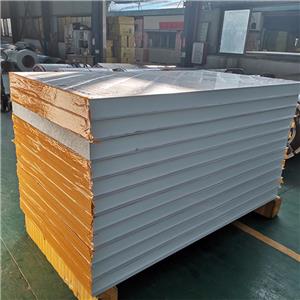
Visual check: flat surface without dents or scratches; protective film intact; neat and complete panel edges without chipping or breakage.
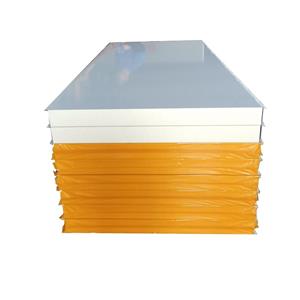
Core material sampling check: inspect cross‑section of magnesium oxide antibacterial panel. Inner core shall be dense and uniform without looseness or voids. Facings shall bond firmly with magnesium‑oxide core without delamination.
Document verification: confirm panel thickness, antibacterial test reports and fire‑resistance test reports match purchase order requirements.
Many later‑stage problems including sub‑standard cleanliness and moisture deformation originate from unqualified magnesium oxide antibacterial panel delivered to site.
⚒️ Step3: On‑site assembly and joint sealing treatmentHandle and hoist magnesium oxide antibacterial panel with care. Avoid knocking, dropping or sharp impact which may crack the core of magnesium oxide antibacterial panel. Install magnesium oxide antibacterial panel with tongue‑and‑groove interlock structure. Keep consistent joint gaps during installation. Excessively wide gaps cause dust leakage; overly tight joints trigger extrusion deformation of magnesium oxide antibacterial panel. Minimize field cutting. If cutting is unavoidable, polish cut edges and apply full sealing treatment to prevent moisture and dust intrusion into magnesium oxide antibacterial panel core.
Fill all panel seams with high‑grade anti‑microbial weather‑resistant sealant. For roof‑mounted magnesium oxide antibacterial panel, reinforce lap‑joint waterproof sealing. Poor sealing is one major cause of clean‑room disqualification for magnesium oxide antibacterial panel projects. SAMZOON provides on‑site construction and sealing technical guidance for magnesium oxide antibacterial panel.
? Step4: Completion inspection & acceptance of magnesium oxide antibacterial panelAfter finishing installation of magnesium oxide antibacterial panel, perform comprehensive acceptance. Check surface flatness, firm fixing status and zero delamination for magnesium oxide antibacterial panel. Verify all joints are fully sealed without breakpoints or gaps. Inspect no hidden dust‑leakage points on walls and roofs. Cross‑check actual thickness, fire‑resistance grade and antibacterial performance of magnesium oxide antibacterial panel against project specifications.
Drawing on abundant South‑China purification project references, SAMZOON assists customers with acceptance check and rectification suggestions for magnesium oxide antibacterial panel projects.
?️ Step5: Daily maintenance to extend service life of magnesium oxide antibacterial panelKeep surface of magnesium oxide antibacterial panel clean. Do not use strong corrosive cleaning agents that may damage panel facings and sealant. Periodically inspect sealant status of magnesium oxide antibacterial panel seams. Re‑seal aged or peeling sealant timely, so magnesium oxide antibacterial panel can sustain stable clean‑room performance for long‑term operation.