Is 99% Antimicrobial Rate Real? How to Read Test Reports
❓ Q1: Is 99% antimicrobial rate real, or is it a marketing claim?
✅ A: 99% antimicrobial rate can be real — but it depends on which bacteria strain is tested, what test standard is used, and whether the test report covers your ordered specification.
| ? Factor | ⚠️ Red Flag | ✅ Verified |
|---|---|---|
| Test Standard | Unnamed or non-standard method | ISO 22196, GB/T 21866, JIS Z 2801 |
| Bacteria Strain | Single strain only | Multiple strains (E. coli, S. aureus) |
| Test Report Type | Single sample test | Type test covering specification range |
| Testing Institution | Unaccredited lab | CMA/CNAS-accredited lab |
| Duration | Initial performance only | Initial + durability after cleaning |
⚠️ Key insight: A 99% claim without a type test report from an accredited lab is a marketing claim, not a verified performance metric.
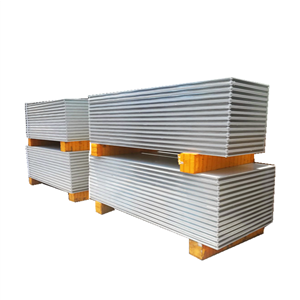
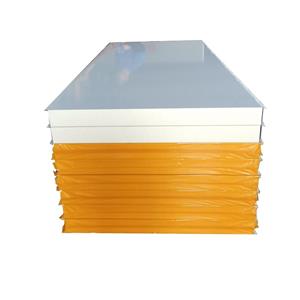
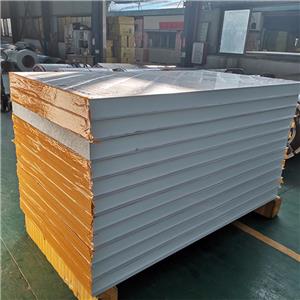
? SAMZOON provides antibacterial panels with antimicrobial test reports from accredited labs, covering multiple bacteria strains and durability after cleaning.
❓ Q2: What standards govern antimicrobial testing for panels?
✅ A: The most commonly referenced standards for antimicrobial panel testing:
| ? Standard | ? Region | ? Test Method | ?️ Typical Application |
|---|---|---|---|
| ISO 22196 | International | Quantitative — bacteria count reduction | Global projects |
| GB/T 21866 | China | Quantitative — bacteria count reduction | Domestic projects |
| JIS Z 2801 | Japan | Quantitative — bacteria count reduction | Japanese-linked projects |
| ASTM E2180 | USA | Quantitative — bacteria count reduction | US-linked projects |
⚠️ Important: Different standards may yield different antimicrobial rate results for the same panel. Always verify which standard was used in the test report.
❓ Q3: Type test vs. sample test — what's the difference for antibacterial panels?
✅ A: This is one of the most important distinctions in verifying antimicrobial performance:
| ? Aspect | ? Sample Test | ? Type Test |
|---|---|---|
| Coverage | One specific sample | Full specification range |
| Thickness | One thickness | Multiple thicknesses |
| Surface Material | One surface type | Multiple surface types |
| Validity | Limited to tested sample | Covers production range |
| Use Case | Initial verification | Project acceptance |
⚠️ Critical: For project acceptance, type test reports are typically required — a sample test report does not guarantee the performance of your ordered panels.
? SAMZOON provides type test reports covering the specification range of your ordered antibacterial panels.
❓ Q4: How do you spot misleading antimicrobial claims?
✅ A: Common red flags to watch for:
╔═════════════════════════════════════════════════════════════════════════════╗
║              RED FLAGS IN ANTIMICROBIAL CLAIMS                              ║
║                                                                             ║
║   ┌─────────────────────────────────────────────────────────────────────┐   ║
║   │  ❌ "99% antimicrobial" without specifying bacteria strain          │   ║
║   │     → Different strains yield different results                     │   ║
║   ├─────────────────────────────────────────────────────────────────────┤   ║
║   │  ❌ Test report from an unaccredited lab                            │   ║
║   │     → Look for CMA/CNAS accreditation                               │   ║
║   ├─────────────────────────────────────────────────────────────────────┤   ║
║   │  ❌ Sample test report presented as type test                       │   ║
║   │     → Sample test covers one sample only                            │   ║
║   ├─────────────────────────────────────────────────────────────────────┤   ║
║   │  ❌ Test report doesn't cover your ordered thickness or surface     │   ║
║   │     → Performance may differ for your specification                 │   ║
║   ├─────────────────────────────────────────────────────────────────────┤   ║
║   │  ❌ "Antimicrobial coating" without durability test data            │   ║
║   │     → Coating may lose effectiveness after cleaning                 │   ║
║   └─────────────────────────────────────────────────────────────────────┘   ║
╚═════════════════════════════════════════════════════════════════════════════╝
❓ Q5: What bacteria strains should be tested for antibacterial panels?
✅ A: Common bacteria strains tested for antibacterial panels:
| ? Bacteria Strain | ?️ Relevance | ? Typical Standard |
|---|---|---|
| Escherichia coli (E. coli) | Food safety, general hygiene | ISO 22196, GB/T 21866 |
| Staphylococcus aureus | Hospital-acquired infections | ISO 22196, GB/T 21866 |
| Pseudomonas aeruginosa | Hospital, high-humidity environments | ISO 22196 |
| Candida albicans | Fungal resistance (some applications) | ISO 22196 |
⚠️ Important: For hospital and pharmaceutical applications, Staphylococcus aureus and E. coli are the minimum strains to verify. Some projects may require additional strains.
❓ Q6: How often should antimicrobial performance be re-verified?
✅ A: Antimicrobial performance can degrade over time depending on surface material and cleaning regime:
| ? Surface Material | ?️ Antimicrobial Durability | ? Re-verification |
|---|---|---|
| ? 316L Stainless Steel | ✅ Inherent; does not degrade | Not required |
| ? 304 Stainless Steel | ✅ Inherent; does not degrade | Not required |
| ? Antimicrobial-Coated Steel | ⚠️ Coating may degrade | After heavy cleaning cycles |
⚠️ Key insight: Stainless steel surfaces have inherent antimicrobial properties that do not degrade. Antimicrobial-coated surfaces depend on coating integrity — heavy cleaning may reduce effectiveness over time.
? SAMZOON provides both stainless steel and antimicrobial-coated antibacterial panels, with selection guidance based on your project's cleaning regime and lifecycle requirements.