Interior Wall Sandwich Panel: FAQ for Industrial Projects
Interior wall sandwich panel is widely used for factory compartment division, warehouse zoning, cold‑storage inner enclosure and workshop partition. Many global purchasers and contractors have various practical doubts about interior wall sandwich panel before placing orders. Below are targeted answers for your overseas project reference.
Q: What key points should I focus on when choosing interior wall sandwich panel for ordinary factory and warehouse projects?A: First confirm local fire‑rating requirements, required thermal‑insulation performance and on‑site humidity conditions, then match suitable core material and panel thickness for your interior wall sandwich panel. SAMZOON provides customized interior wall sandwich panel solutions and supports free samples for performance testing.
Q: What is the difference between rock‑wool, PU, EPS and magnesium‑oxide interior wall sandwich panel?A: Rock‑wool interior wall sandwich panel reaches Class‑A fire‑proof grade. PU interior wall sandwich panel delivers outstanding thermal‑insulation performance specially for cold‑storage application. EPS interior wall sandwich panel brings obvious cost advantages for general warehouses. Magnesium‑oxide interior wall sandwich panel performs stably under high‑humidity conditions. SAMZOON supports all four types of interior wall sandwich panel customization.
Q: Can interior wall sandwich panel be applied to cold‑storage inner wall areas?
A: Yes. You need to select thick‑specification PU interior wall sandwich panel with low thermal conductivity. You must pay close attention to joint sealing construction, so as to avoid cold bridge phenomenon and frost accumulation inside interior wall sandwich panel.
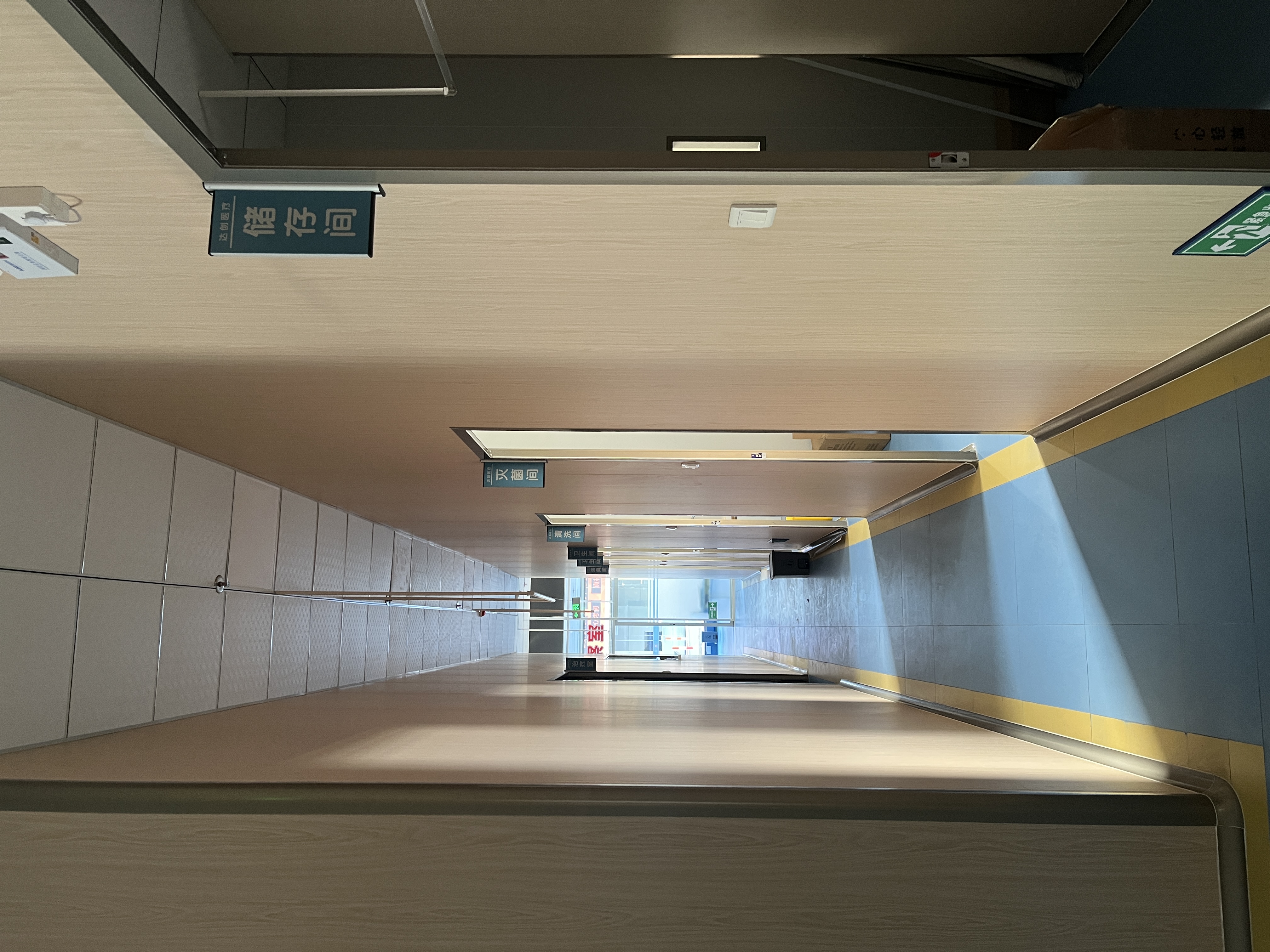
Q: Can interior wall sandwich panel be directly used for clean‑room partition? Are there special requirements?A: Standard interior wall sandwich panel can be optimized for clean‑room use. Choose smooth‑surface, dust‑proof interior wall sandwich panel, and strictly control panel joint gaps. Ordinary interior wall sandwich panel without anti‑dust treatment cannot be directly adopted for high‑grade clean‑room zones.
Q: What common installation problems will occur when constructing interior wall sandwich panel?A: Uneven panel gaps, poor joint sealing, edge damage during transportation and improper fixing are common troubles for interior wall sandwich panel. Minimize on‑site cutting; polish and seal cut surfaces in time to prevent moisture from invading interior wall sandwich panel core. SAMZOON offers practical construction guidance for interior wall sandwich panel.
Q: Is interior wall sandwich panel reusable after disassembly?A: High‑quality interior wall sandwich panel with complete surface and undamaged core can be disassembled and reused for secondary partition layout. Avoid violent demolition which will cause delamination or deformation of interior wall sandwich panel.
Q: Will interior wall sandwich panel bulge or deform in humid workshops?A: If qualified interior wall sandwich panel is selected and installed properly, deformation rarely happens. Low‑grade interior wall sandwich panel with poor core‑material moisture resistance is easy to bulge in long‑term humid environment. For high‑humidity workshops, magnesium‑oxide or rock‑wool interior wall sandwich panel is more recommended.
Q: What thickness of interior wall sandwich panel is suitable for general industrial partition?A: 50 mm‑100 mm interior wall sandwich panel is widely used for ordinary factory and warehouse partition. Cold‑storage interior wall sandwich panel needs larger thickness according to temperature‑control demands. SAMZOON can recommend proper thickness for your interior wall sandwich panel according to project parameters.