How to Select Qualified Antibacterial Purification Panel for Medical & Food Workshop
Step 1: Clarify project hygiene requirement and target test standard ? First confirm local industry compliance standard for your medical or food workshop. Different regions have varied requirements for antibacterial rate, mold‑resistance grade and surface wash‑resistance. Define target indicators including antibacterial rate for staphylococcus aureus and escherichia coli, anti‑mold class and disinfection‑resistant performance. SAMZOON can provide standard reference consultation for global project specifications, helping buyers lock clear technical indicators before quotation. Avoid purchasing antibacterial purification panel only according to vague description such as “antibacterial grade”.
Step 2: Distinguish integrated antibacterial coating vs post‑spray antibacterial treatment ? Verify whether antibacterial ingredient is pre‑mixed into coating during steel sheet pre‑coating process or simply sprayed after panel production. Post‑spray antibacterial layer will wear off after repeated wiping and chemical disinfection, resulting in rapid antibacterial failure. Real antibacterial purification panel forms stable antibacterial protection together with paint film. Request supplier to provide coating process description for confirmation.
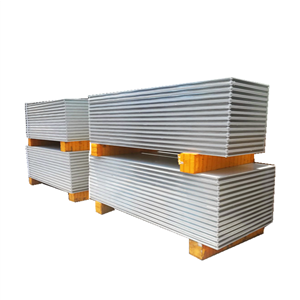
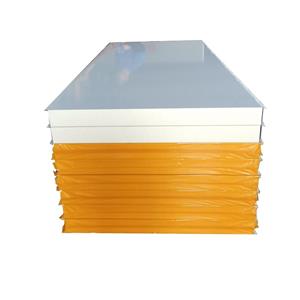
Step 3: Match suitable core material according to working condition ? Select core material for antibacterial purification panel combined with fire‑protection requirement, temperature and humidity of workshop. For hospital, pharmaceutical GMP workshops with high fire‑rating requirement, choose magnesium oxysulfide, rock wool or magnesium‑glass mineral core antibacterial purification panel. For constant‑temperature food processing workshops with high insulation demand, PU or PIR core antibacterial purification panel is more appropriate. Do not use single core‑material solution for all scenarios.
Step 4: Request samples and third‑party antibacterial test report ? Do not trust verbal‑only antibacterial claims. Ask suppliers to deliver physical samples of antibacterial purification panel and provide complete third‑party test reports. Focus on antibacterial rate data, anti‑mold grade and resistance to common disinfectants such as alcohol and hydrogen peroxide. SAMZOON supports free sample delivery for global buyers for real‑surface observation and auxiliary testing Outstanding performance. Products without valid test reports bring huge acceptance risk.
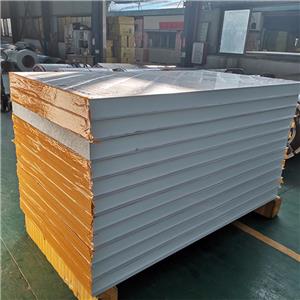
Step 5: Check surface physical performance of antibacterial purification panel ✨ Examine sample surface quality: high‑quality antibacterial purification panel shall have smooth compact surface without pinholes, granular protrusions and uneven paint film. Pinholes and tiny cracks will become hidden breeding spots for bacteria. Test surface scratch‑resistance: fragile paint film will peel off during installation and daily cleaning, completely destroying antibacterial function.
Step 6: Confirm matching auxiliary supporting materials ? Antibacterial performance is not only decided by panel itself. Matching sealing gaskets, sealant and corner accessories also need anti‑mold and hygienic grade. Ordinary common sealant will grow mold at joints, offsetting the advantage of antibacterial purification panel. Require suppliers to provide matched hygienic auxiliary materials for whole‑system hygiene guarantee.
Step 7: Clarify on‑site acceptance and after‑sales inspection standard before order placing ✅ Reach agreement on acceptance rules before bulk order. Specify that antibacterial purification panel shall retain stable antibacterial performance after installation and repeated disinfection. Confirm whether supplier provides technical guidance for on‑site inspection. Clarify handling scheme for unqualified products.
Typical pitfalls to avoid: ‑ Accept “antibacterial” product description without formal third‑party test documents ‑ Confuse post‑spray temporary antibacterial treatment with integrated pre‑coating antibacterial purification panel ‑ Ignore core‑material fire‑rating and humidity adaptability, only focus on antibacterial surface function ‑ Use ordinary non‑hygiene‑grade sealant and accessories together with antibacterial purification panel ‑ Neglect paint‑film physical performance, resulting in paint peeling in later‑stage operation