How to Install Steel Structure Sandwich Panels
?️ Five-Step Method: Steel Structure Sandwich Panel Installation
╔═════════════════════════════════════════════════════════════════════════════╗
║              THE FIVE-STEP WORKFLOW                                         ║
║                                                                             ║
║  1️⃣ ──▶ 2️⃣ ──▶ 3️⃣ ──▶ 4️⃣ ──▶ 5️⃣                                        ║
║  Layout   Steel    Panel    Sealing  Acceptance                             ║
║  Design   Frame    Assembly & Vapor  Without                                ║
║  First    Interface          Barrier  Compromise                            ║
╚═════════════════════════════════════════════════════════════════════════════╝
1️⃣ Step 1: Layout Design Before Installation (This Step Is Make-or-Break)
? The on-site efficiency of steel structure sandwich panels comes from factory prefabrication precision — but the prerequisite is that layout design before installation is done properly.
? Items to confirm in advance:
╔═════════════════════════════════════════════════════════════════════════════╗
║              PRE-INSTALLATION CHECKLIST                                     ║
║                                                                             ║
║   ☐  ? Panel seam direction and connection positions                       ║
║   ☐  ? Non-standard panel positions                                        ║
║   ☐  ? Door and window opening reinforcement                              ║
║   ☐  ⭕ Interface between corner profiles and wall panels                   ║
║   ☐  ? Vapor barrier continuity plan at steel frame penetrations           ║
║   ☐  ? Thermal-break treatment at cold/warm zone connections               ║
║   ☐  ?️ Structural movement joint positions                                ║
║                                                                             ║
║   ✅ Once the layout drawing is confirmed, panels are shipped               ║
║      numbered in sequence for "match-the-number" installation.              ║
╚═════════════════════════════════════════════════════════════════════════════╝
2️⃣ Step 2: Steel Frame Interface Treatment (This Step Determines Thermal and Structural Performance)
? Steel structures conduct heat and cold faster than concrete, and steel frames expand and contract with temperature changes. The interface between the sandwich panel system and the steel frame is where most thermal bridges and vapor leaks occur.
╔═════════════════════════════════════════════════════════════════════════════╗
║              STEEL FRAME INTERFACE TREATMENT                                ║
║                                                                             ║
║   ? THERMAL BRIDGING                                                       ║
║   ├── Install thermal-break profiles at panel-to-steel connections          ║
║   ├── Avoid direct metal-to-metal contact where possible                    ║
║   └── Use insulating gaskets at connection points                           ║
║                                                                             ║
║   ? STRUCTURAL MOVEMENT                                                    ║
║   ├── Use flexible sealants that accommodate thermal expansion              ║
║   ├── Provide movement joints at appropriate intervals                      ║
║   └── Avoid rigid connections that may crack under movement                 ║
║                                                                             ║
║   ? VAPOR BARRIER CONTINUITY                                               ║
║   ├── Seal all steel frame penetrations                                     ║
║   ├── Maintain continuous vapor barrier at connections                      ║
║   └── Use compatible sealants and membranes                                 ║
║                                                                             ║
║   ? FIRE COMPLIANCE                                                        ║
║   ├── Ensure Class A core material at fire-rated interfaces                 ║
║   ├── Use fire-rated sealants where required                                ║
║   └── Maintain fire compartmentation continuity                             ║
╚═════════════════════════════════════════════════════════════════════════════╝
3️⃣ Step 3: Panel Assembly (This Step Determines Speed and Precision)
? With layout confirmed and steel frame interface prepared, panel assembly follows a "match-the-number" sequence:
╔═════════════════════════════════════════════════════════════════════════════╗
║              PANEL ASSEMBLY SEQUENCE                                        ║
║                                                                             ║
║   ┌─────────────────────────────────────────────────────────────────────┐   ║
║   │  3.1  ?️ Start from a reference corner or edge                      │   ║
║   │       → Establish the baseline for the entire wall/ceiling          │   ║
║   ├─────────────────────────────────────────────────────────────────────┤   ║
║   │  3.2  ? Engage tongue-and-groove or cam-lock connections           │   ║
║   │       → Ensure full engagement; avoid forcing panels                │   ║
║   ├─────────────────────────────────────────────────────────────────────┤   ║
║   │  3.3  ? Check verticality and alignment at each panel              │   ║
║   │       → Cumulative errors are harder to correct later               │   ║
║   ├─────────────────────────────────────────────────────────────────────┤   ║
║   │  3.4  ? Install door and window openings at designated positions   │   ║
║   │       → Verify reinforcement before proceeding                      │   ║
║   ├─────────────────────────────────────────────────────────────────────┤   ║
║   │  3.5  ⭕ Install corner profiles and rounded corners                │   ║
║   │       → R50 or above for cleanroom applications                     │   ║
║   └─────────────────────────────────────────────────────────────────────┘   ║
╚═════════════════════════════════════════════════════════════════════════════╝
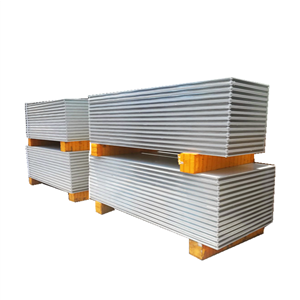
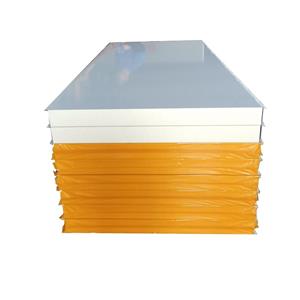
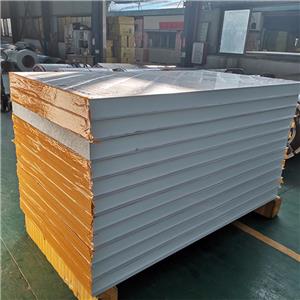
? As a reference, SAMZOON provides steel structure sandwich panels covering stainless steel rock wool and stainless steel magnesium-rock wool categories, with drawing-based splitting and sequential scheduling to support "match-the-number" installation.
4️⃣ Step 4: Sealing & Vapor Barrier (This Step Determines Long-Term Performance)
? Sealing is where most installation quality issues surface months or years later. For steel structure applications, sealing must address both airtightness and vapor barrier continuity.
╔═════════════════════════════════════════════════════════════════════════════╗
║              SEALING & VAPOR BARRIER CHECKLIST                              ║
║                                                                             ║
║   ┌─────────────────────────────────────────────────────────────────────┐   ║
║   │  ? SEAM SEALING                                                    │   ║
║   │     ☐ Sealant type matches application (cleanroom / cold storage /  │   ║
║   │       general industrial)                                           │   ║
║   │     ☐ Sealant compatible with panel surface material                │   ║
║   │     ☐ Sealant remains flexible at service temperature               │   ║
║   ├─────────────────────────────────────────────────────────────────────┤   ║
║   │  ? VAPOR BARRIER CONTINUITY                                        │   ║
║   │     ☐ Continuous at wall-to-wall joints                             │   ║
║   │     ☐ Continuous at wall-to-ceiling joints                          │   ║
║   │     ☐ Continuous at steel frame penetrations                        │   ║
║   │     ☐ Continuous at door and window openings                        │   ║
║   ├─────────────────────────────────────────────────────────────────────┤   ║
║   │  ? THERMAL BREAK INTEGRITY                                         │   ║
║   │     ☐ Thermal-break profiles correctly installed                    │   ║
║   │     ☐ No direct metal-to-metal contact at connections               │   ║
║   │     ☐ Insulating gaskets in place at connection points              │   ║
║   └─────────────────────────────────────────────────────────────────────┘   ║
╚═════════════════════════════════════════════════════════════════════════════╝
5️⃣ Step 5: Three "Non-Negotiables" at Acceptance
| ✅ Acceptance Item | ? Standard | ⚠️ Why It Matters |
|---|---|---|
| ?️ Thermal Continuity | No thermal bridges at seams, corners, or steel frame connections | Directly affects energy consumption and condensation risk |
| ? Vapor Barrier Integrity | Continuous vapor barrier at all joints and penetrations | Prevents moisture infiltration and mold growth |
| ? Surface Integrity | No scratches, no coating peeling on stainless steel surface | Must withstand target environment's cleaning and disinfection requirements |
╔═════════════════════════════════════════════════════════════════════════════╗
║              ACCEPTANCE CHECKLIST                                           ║
║                                                                             ║
║   ☐  ?️ Thermal imaging scan for thermal bridges at steel connections       ║
║   ☐  ? Vapor barrier continuity verification at all joints                  ║
║   ☐  ? Connection engagement and seam tightness check                      ║
║   ☐  ? Surface inspection for scratches and coating integrity              ║
║   ☐  ? Door and window opening sealing verification                        ║
║   ☐  ⭕ Rounded corners R50+ for cleanroom applications                     ║
║   ☐  ? Fire-rated interface detailing verification                         ║
║   ☐  ? Documentation: fire + thermal test reports                          ║
╚═════════════════════════════════════════════════════════════════════════════╝