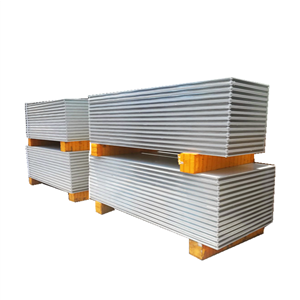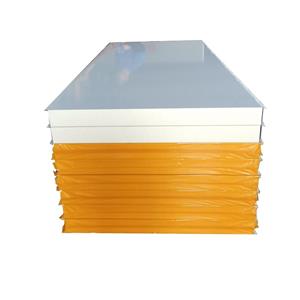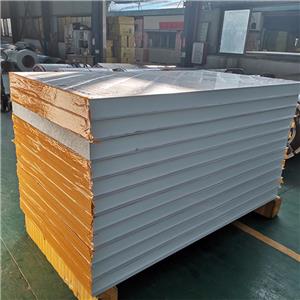
Glass Wool Sandwich Panel: Common‑Site Faults FAQ
⚠️
Q1: Why does glass wool sandwich panel produce fiber shedding and floating dust in clean‑room?
A: Fiber shedding mainly comes from low‑quality loose glass‑wool core material and insufficient composite adhesive. When cutting, drilling or under long‑term equipment vibration, broken glass‑wool fibers leak out. This will contaminate clean‑room air and fail cleanliness test. For purification zones, you must select glass wool sandwich panel with high‑density integrated fiber core and full‑glue composite process to lock internal fibers. Avoid low‑density loosely assembled glass‑wool core.
?
Q2: What causes core settlement of glass wool sandwich panel after installation?
A: Glass‑wool core is porous and highly hygroscopic. In high‑humidity or coastal environments, water vapor invades the panel interior without good sealing. The glass‑wool core absorbs moisture, gains weight and gradually sinks, resulting in hollow wall and uneven surface. Mildew may also appear inside. For humid projects, use moisture‑resistant optimized glass wool sandwich panel, and strictly seal all cut cross‑sections during on‑site construction.
?
Q3: Glass wool sandwich panel appears delamination and edge cracking, what is the root cause?
A: This fault is mostly caused by poor composite craftsmanship. Some manufacturers reduce glue consumption and shorten high‑pressure pressing time to cut costs. The bonding strength between metal skin and glass‑wool core is insufficient. After temperature cycling and vibration on site, edges crack and large‑area delamination occurs. Check bonding quality via samples before bulk order of glass wool sandwich panel.
?
Q4: Why glass wool sandwich panel fails fire‑acceptance even though glass wool itself is non‑combustible?
A: Glass‑wool fiber is non‑combustible, but overall fire performance of finished glass wool sandwich panel depends on adhesive, edge‑sealing material and metal skins. Inferior adhesive will burn and release heavy smoke under high temperature. Many suppliers only provide test reports of bare glass‑wool fiber instead of finished glass wool sandwich panel reports. Always request third‑party test reports corresponding to finished glass wool sandwich panel for tender and acceptance.
✅
Q5: Why does glass wool sandwich panel concave and deform after installation?
A: The glass‑wool core has relatively low hardness. If keel spacing is too large or fixing points are inadequate, glass wool sandwich panel will deform under wind pressure and equipment vibration. Reasonable keel layout and sufficient fixing points are required during installation of glass wool sandwich panel.
? As a Foshan local source manufacturer, SAMZOON is familiar with clean‑room project acceptance standards. Our glass wool sandwich panel adopts high‑density fiber core and high‑strength composite glue to reduce fiber‑shedding risk. We support customized production, urgent production scheduling and free sample delivery, and provide project‑selection and construction‑technical guidance. Large numbers of South‑China purification project cases are available.
When purchasing glass wool sandwich panel for clean‑room projects, do not only compare unit price. Verify fiber density, composite quality and finished‑product test documents. Proper selection and standardized construction can effectively avoid typical faults of glass wool sandwich panel.