Foam Sandwich Panel Pros & Cons | Performance, Cost & Application Comparison
Preface
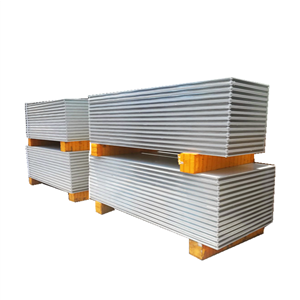
Foam sandwich panel is widely adopted for industrial workshops, warehouses, farm buildings and prefabricated houses for its lightweight and cost‑effective features. Still, foam sandwich panel has obvious limitations in fire resistance. This objective comparison evaluates foam sandwich panel, rock wool sandwich panel and PU sandwich panel from multiple dimensions, to clear up material‑selection confusion for engineering contractors, investors and building‑material distributors.
1. Comprehensive Performance Comparison Table
| Comparison Item | Foam Sandwich Panel | Rock Wool Sandwich Panel | PU Sandwich Panel |
|---|---|---|---|
| Thermal Insulation | ✅ Good thermal performance, stable constant‑temperature effect | ⚠️ Medium thermal insulation, easy heat loss after water absorption | ✅ Excellent thermal insulation, lowest thermal conductivity |
| Moisture & Corrosion Resistance | ✅ Closed‑cell foam core, waterproof, anti‑humidity, no water absorption | ❌ Open‑fiber structure, easy to absorb moisture, insulation declines after damp | ✅ Closed‑cell structure, good moisture‑proof performance |
| Fire Rating | ⚠️ B2 flame‑retardant, not for high‑fire‑code projects | ✅ A1 non‑combustible, top‑tier fire safety | ⚠️ B2 grade, PIR version can reach higher fire standard |
| Weight & Installation | ✅ Ultra‑lightweight, fast splicing, short construction cycle | ❌ Heavy weight, higher installation labor cost | ⚠️ Lightweight, convenient for on‑site assembly |
| Comprehensive Cost | ✅ High cost‑performance, low procurement budget | ❌ High unit price, raise overall project investment | ⚠️ Medium‑high price, premium insulation performance |
| Typical Application Scenarios | Ordinary industrial workshop, warehouse, farm breeding house, prefab site office | Fire‑required factory building, fire‑separation partition, high‑risk industrial plant | Ultra‑low‑temperature cold storage, high‑end constant‑temperature warehouse |
2. Objective Advantage & Disadvantage Analysis
? Rock Wool Sandwich Panel (Competitor)
Advantages: A1 non‑combustible fire‑proof property, outstanding fire safety, suitable for projects with strict fire supervision requirements. Good sound‑absorbing performance for noise‑sensitive workshops.Disadvantages: Open‑fiber core easily absorbs moisture in humid environment. Once soaked, thermal insulation performance drops sharply, plate bulging and rust may occur. Higher material and construction cost, not economical for large‑area ordinary buildings.
? PU Sandwich Panel (Competitor)
Advantages: Best thermal insulation among three types, compact closed‑cell structure, excellent moisture resistance. Less panel thickness can reach expected insulation requirement, save interior space.Disadvantages: Higher purchase cost than foam sandwich panel. Standard PU core is B2 flame‑retardant; upgraded PIR version will further increase project budget.
? SAMZOON Foam Sandwich Panel
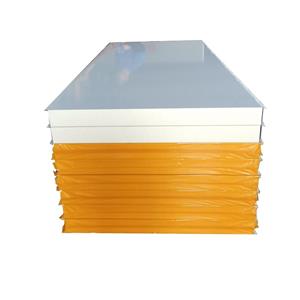
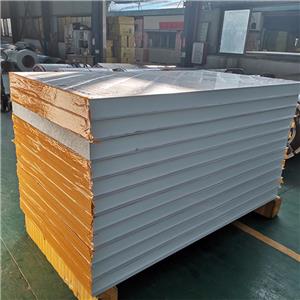
Core Advantages:SAMZOON foam sandwich panel adopts compact closed‑cell foam core and fully sealed color‑steel surface. It delivers stable thermal insulation and moisture‑proof capacity, adapts well to humid working conditions such as farm workshops and ordinary warehouses. Light‑weight characteristic shortens construction period and cuts transportation & labor expense. As a Foshan local source manufacturer, SAMZOON supports custom dimensions, urgent production scheduling and free sample testing, and provides professional material‑selection and construction technical guidance.
Existing Limitations:Foam sandwich panel belongs to B2 flame‑retardant material. It is not suitable for buildings with mandatory high‑fire‑protection standards. For such projects, rock wool or PIR panels shall be considered instead.
3. Scenario‑Based Purchase Suggestions
✅ Choose SAMZOON Foam Sandwich Panel If:
Construct ordinary industrial workshops, storage warehouses, farm breeding workshops
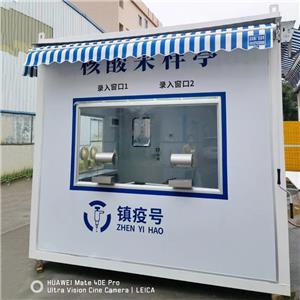
Prefabricated site offices, temporary renovation projects with limited budget
Projects in high‑humidity regions without strict mandatory fire‑protection requirements
Need fast delivery, large‑area construction and cost control
✅ Choose Rock Wool Sandwich Panel If:
Factory buildings, partitions subject to strict fire‑safety codes
High‑fire‑risk production workshops with fire‑separation demands
✅ Choose PU Sandwich Panel If:
Ultra‑low‑temperature cold storage, high‑end constant‑temperature warehouse, premium insulation priority
❌ Not Recommended for Foam Sandwich Panel:Projects with mandatory A‑class fire‑proof requirements shall avoid foam sandwich panel to meet local building safety codes.
4. Core Conclusion
Foam sandwich panel shows outstanding cost‑performance for general industrial, agricultural and temporary building projects, while its fire‑resistance performance sets clear application boundaries. Before ordering foam sandwich panel, confirm local fire codes and environmental conditions. SAMZOON offers one‑stop support including sample verification, customized production and construction guidance to help complete project delivery smoothly.