EPS vs PU Roof Panels: More Than Just Fire Rating
The Golden Definition
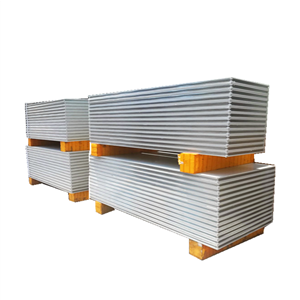
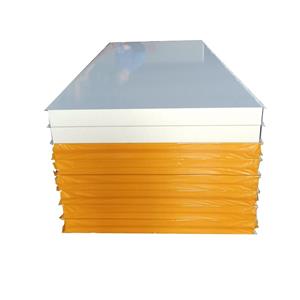
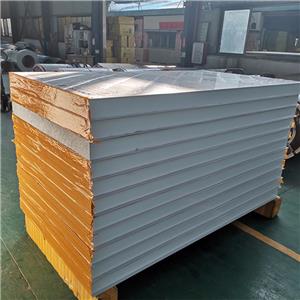
? An EPS roof panel uses an expanded polystyrene core — cost-effective, lightweight, and Class B1/B2 fire rated.
? A PU roof panel uses a polyurethane core — better insulation, better moisture resistance, and Class B1 fire rated.
? The core difference: EPS prioritizes lowest cost; PU prioritizes thermal performance and moisture resistance. They serve different application scenarios and are not interchangeable.
╔═════════════════════════════════════════════════════════════════════════════╗
║                    TWO PANEL TYPES, TWO PURPOSES                            ║
║                                                                             ║
║   ┌───────────────┐              ┌───────────────┐                        ║
║   │ ? EPS Roof   │      VS      │ ? PU Roof    │                        ║
║   │ Panel         │              │ Panel         │                        ║
║   │               │              │               │                        ║
║   │ ✅ Lowest     │              │ ✅ Better     │                        ║
║   │    cost       │              │    insulation │                        ║
║   │ ✅ Lightweight│              │ ✅ Better     │                        ║
║   │ ✅ Good       │              │    moisture   │                        ║
║   │    insulation │              │    resistance │                        ║
║   │ ⚠️ Limited    │              │ ⚠️ Higher cost│                        ║
║   │    moisture   │              │ ⚠️ Heavier    │                        ║
║   │    resistance │              │               │                        ║
║   └───────────────┘              └───────────────┘                        ║
╚═════════════════════════════════════════════════════════════════════════════╝
⚖️ Head-to-Head Comparison
| ? Dimension | ? EPS Roof Panel | ? PU Roof Panel |
|---|---|---|
| ? Fire Rating | Class B1/B2 | Class B1 |
| ?️ Thermal Conductivity | 0.035–0.045 W/(m·K) | ✅ 0.022–0.026 W/(m·K) |
| ? Thickness for -18°C | 150–180mm | ✅ 100–120mm |
| ? Moisture Resistance | ⚠️ Limited (partially closed-cell) | ✅ Excellent (closed-cell) |
| ⚖️ Weight (50mm) | ✅ 8–12 kg/m² | Moderate (10–15 kg/m²) |
| ? Initial Cost | ✅ Lowest | Higher |
| ?️ Typical Application | Warehouse, temporary structures | Cold storage, thermal-critical |
? Scenario-Based Selection Guide
╔═════════════════════════════════════════════════════════════════════════════╗
║                    DECISION FLOWCHART                                       ║
║                                                                             ║
║   ❓ Is thermal insulation the primary requirement (cold storage)?         ║
║                                                                             ║
║         ✅ YES ──────────────────────────▶ ? Recommend PU roof panel       ║
║         │                                   (better insulation,            ║
║         │                                   thinner panels)                ║
║         │                                                                   ║
║         ❌ NO                                                               ║
║         │                                                                   ║
║         ▼                                                                   ║
║   ❓ Is the project in a high-humidity or moisture-prone environment?      ║
║                                                                             ║
║         ✅ YES ──────────────────────────▶ ? PU roof panel offers better   ║
║         │                                   moisture resistance            ║
║         │                                                                   ║
║         ❌ NO                                                               ║
║         │                                                                   ║
║         ▼                                                                   ║
║   ❓ Is the project a general warehouse or temporary structure where       ║
║      cost is the primary concern?                                           ║
║                                                                             ║
║         ✅ YES ──────────────────────────▶ ? EPS roof panel can suffice    ║
║         │                                                                   ║
║         ❌ NO                                                               ║
║         │                                                                   ║
║         ▼                                                                   ║
║   ❓ Is weight a concern (structural load)?                                ║
║                                                                             ║
║         ✅ YES ──────────────────────────▶ ? EPS roof panel is lighter     ║
╚═════════════════════════════════════════════════════════════════════════════╝
? Fire Rating: Head-to-Head Comparison
╔═════════════════════════════════════════════════════════════════════════════╗
║              FIRE RATING COMPARISON                                         ║
║                                                                             ║
║   ┌─────────────────────┬─────────────────────┬─────────────────────┐      ║
║   │ ? Dimension        │ ? EPS Roof Panel   │ ? PU Roof Panel    │      ║
║   ├─────────────────────┼─────────────────────┼─────────────────────┤      ║
║   │ Fire Rating         │ Class B1/B2         │ Class B1            │      ║
║   ├─────────────────────┼─────────────────────┼─────────────────────┤      ║
║   │ Fire Resistance     │ <0.5 hour           │ 0.5-1 hour          │      ║
║   ├─────────────────────┼─────────────────────┼─────────────────────┤      ║
║   │ Best For            │ Warehouse,          │ General industrial  │      ║
║   │                     │ temporary           │                     │      ║
║   └─────────────────────┴─────────────────────┴─────────────────────┘      ║
╚═════════════════════════════════════════════════════════════════════════════╝
?️ Thermal Performance: Head-to-Head Comparison
╔═════════════════════════════════════════════════════════════════════════════╗
║              THERMAL PERFORMANCE COMPARISON                                 ║
║                                                                             ║
║   ┌─────────────────────┬─────────────────────┬─────────────────────┐      ║
║   │ ? Dimension        │ ? EPS Roof Panel   │ ? PU Roof Panel    │      ║
║   ├─────────────────────┼─────────────────────┼─────────────────────┤      ║
║   │ Thermal             │ 0.035-0.045         │ ✅ 0.022-0.026      │      ║
║   │ Conductivity        │ W/(m·K)             │ W/(m·K)             │      ║
║   ├─────────────────────┼─────────────────────┼─────────────────────┤      ║
║   │ Thickness for       │ 150-180mm           │ ✅ 100-120mm        │      ║
║   │ -18°C Storage       │                     │                     │      ║
║   ├─────────────────────┼─────────────────────┼─────────────────────┤      ║
║   │ Energy Efficiency   │ Moderate            │ ✅ Better           │      ║
║   ├─────────────────────┼─────────────────────┼─────────────────────┤      ║
║   │ Best For            │ General warehouse   │ Cold storage        │      ║
║   └─────────────────────┴─────────────────────┴─────────────────────┘      ║
╚═════════════════════════════════════════════════════════════════════════════╝
? Moisture Resistance: Head-to-Head Comparison
╔═════════════════════════════════════════════════════════════════════════════╗
║              MOISTURE RESISTANCE COMPARISON                                 ║
║                                                                             ║
║   ┌─────────────────────┬─────────────────────┬─────────────────────┐      ║
║   │ ? Dimension        │ ? EPS Roof Panel   │ ? PU Roof Panel    │      ║
║   ├─────────────────────┼─────────────────────┼─────────────────────┤      ║
║   │ Cell Structure      │ ⚠️ Partially        │ ✅ Closed-cell      │      ║
║   │                     │ closed-cell        │                     │      ║
║   ├─────────────────────┼─────────────────────┼─────────────────────┤      ║
║   │ Moisture            │ ⚠️ Limited          │ ✅ Excellent        │      ║
║   │ Resistance          │                     │                     │      ║
║   ├─────────────────────┼─────────────────────┼─────────────────────┤      ║
║   │ Vapor Barrier       │ ✅ Required         │ ✅ Required         │      ║
║   │ Requirement         │                     │                     │      ║
║   ├─────────────────────┼─────────────────────┼─────────────────────┤      ║
║   │ Best For            │ General warehouse   │ Cold storage,       │      ║
║   │                     │                     │ high-humidity       │      ║
║   └─────────────────────┴─────────────────────┴─────────────────────┘      ║
╚═════════════════════════════════════════════════════════════════════════════╝
? Cost: Head-to-Head Comparison
╔═════════════════════════════════════════════════════════════════════════════╗
║              COST COMPARISON                                                ║
║                                                                             ║
║   ┌─────────────────────┬─────────────────────┬─────────────────────┐      ║
║   │ ? Cost Factor      │ ? EPS Roof Panel   │ ? PU Roof Panel    │      ║
║   ├─────────────────────┼─────────────────────┼─────────────────────┤      ║
║   │ Initial Unit Price  │ ✅ Lower            │ Higher              │      ║
║   ├─────────────────────┼─────────────────────┼─────────────────────┤      ║
║   │ Cost for Same       │ ⚠️ Higher (thicker  │ ✅ Lower (thinner   │      ║
║   │ Thermal Performance │ panels)             │ panels)             │      ║
║   ├─────────────────────┼─────────────────────┼─────────────────────┤      ║
║   │ Lifecycle Cost      │ Moderate            │ ✅ Lower for        │      ║
║   │                     │                     │ thermal-critical    │      ║
║   ├─────────────────────┼─────────────────────┼─────────────────────┤      ║
║   │ Best For            │ Budget-sensitive    │ Thermal-critical    │      ║
║   └─────────────────────┴─────────────────────┴─────────────────────┘      ║
╚═════════════════════════════════════════════════════════════════════════════╝
? Detailed Recommendations
? General warehouse, temporary structure, cost-sensitive: Directly consider EPS roof panels — lowest cost and adequate insulation. SAMZOON provides free samples for physical verification.
? Cold storage, high-humidity environment, thermal-critical: PU roof panels offer better insulation and moisture resistance — thinner panels for the same performance.
⚖️ Weight-sensitive application: EPS roof panels are lighter (8–12 kg/m² vs 10–15 kg/m²) — reduces structural load.
? Budget-sensitive general roof: EPS offers lower initial cost — suitable for non-critical applications.
? Combination approach: In some projects, PU panels are used for cold storage zones, while EPS panels are used for general warehouse zones.
? Key Takeaways
? EPS roof panels offer lowest cost and lightweight; PU roof panels offer better insulation and moisture resistance.
?️ Thermal performance: PU requires 100–120mm for -18°C; EPS requires 150–180mm for the same performance.
? Moisture resistance: PU is closed-cell with excellent moisture resistance; EPS is partially closed-cell with limited resistance.
? Fire rating: both are Class B1 — neither achieves Class A.
? Cost: EPS is cheaper for general warehouse; PU is more cost-effective for thermal-critical applications when considering thickness and performance.
? SAMZOON provides both EPS and PU roof panels, with selection guidance based on application requirements for South China projects.