Electrolytic Plate Sandwich Panel Selection for Overseas Clean‑room Projects
When adopting electrolytic plate sandwich panels for overseas clean‑room projects, besides core foam performance, substrate quality and coating specifications of face sheets directly determine salt‑spray resistance during ocean transportation and long‑term service life on‑site. These items are also key checkpoints for overseas client audit and project acceptance. Below is a complete step‑by‑step selection and implementation workflow to avoid common troubles such as coating peeling, sea‑freight rust and project acceptance failure.
Step 1: Clarify working conditions and compliance requirements of overseas clean‑room projectsSort out basic project conditions first: regional environment (coastal high salt‑spray / inland dry), clean‑room classification, industry type (electronics, food, pharmaceutical, laboratory) and local building compliance standards. Ordinary‑grade electrolytic plate sandwich panels carry relatively high risks for coastal overseas sites with heavy salt spray, so upgraded coating grade is required. Conventional electrolytic plate sandwich panels are acceptable for dry inland electronic clean workshops. SAMZOON provides project‑oriented material selection and technical guidance according to target‑region working conditions.
Step 2: Verify substrate parameters of electrolytic plateWhen choosing electrolytic plate as sandwich panel face sheet, validate substrate specifications. Confirm base metal thickness and electro‑galvanized zinc weight. Insufficient zinc layer will greatly weaken inherent anti‑corrosion performance.
Note: Electrolytic plate comes with thin zinc coating. Its anti‑corrosion capacity heavily relies on subsequent spray coating; electrolytic plate shall not be regarded as high‑corrosion‑resistant material.
Step 3: Inspect core coating standards for electrolytic plate sandwich panels (critical for overseas projects)? Check key coating indicators item by item:
Paint film thickness: qualified coating on both front and back sides; single‑side painting is not allowed.
Salt‑spray rating: match salt‑spray environment of project location; coastal overseas projects demand higher salt‑spray performance.
Paint adhesion and hardness: resist bumping and scratching during ocean shipment and loading & unloading to prevent paint chipping and substrate exposure.
Clean‑room compatibility: low‑emission and dust‑repellent coating to meet clean‑room non‑dust requirements. SAMZOON supports custom‑built electrolytic plate sandwich panels. Coating parameters can be adjusted for overseas projects. Free samples are available for client salt‑spray and adhesion tests.
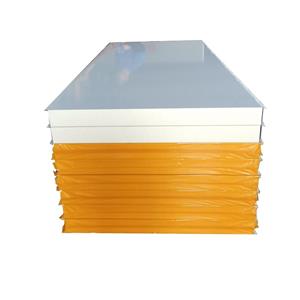
Step 4: Match core‑material type and finalize full‑specification of sandwich panelElectrolytic plate face sheets can be combined with PU, PIR, magnesium‑glass and other core materials. ‑ Electronic clean workshops: electrolytic plate + PU / PIR sandwich panels ‑ Overseas clean‑room projects with fire‑resistance demands: electrolytic plate + magnesium‑glass composite sandwich panels Determine core material according to fire rating, thermal‑insulation demand and local building codes. Both face‑sheet coating and core material shall satisfy project specifications.
Step 5: Lock technical specifications in order documentationFor overseas orders, write down electrolytic plate substrate, salt‑spray grade, paint‑film thickness and core‑material parameters within PI and technical appendix to prevent parameter deviation in mass production. Confirm packaging standards in advance to reserve protection conditions for long‑distance ocean freight.
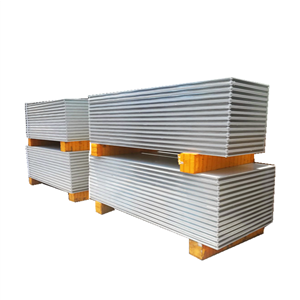
Step 6: Configure packaging protection for ocean shipping ?Salt mist and moisture during sea transportation represent major risks for electrolytic plate sandwich panels.
Seal panels with waterproof stretch film and plywood pallets.
Place sufficient desiccants inside containers.
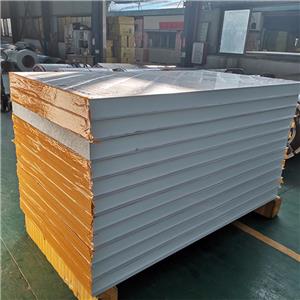
Control stacking height to avoid heavy compression and coating scratches. Once coating gets damaged during transit, rust spots will rapidly appear after panels arrive at overseas construction sites.
Step7: On‑site acceptance and storage management after goods arrival ✅Conduct random inspection immediately upon goods arrival: check surface scratches, paint chipping and transportation‑induced rust, compare against reference sample. Store panels indoors under dry and ventilated conditions. Outdoor stacking is forbidden. Lift panels off ground and keep away from moist walls. Use soft protective tools during handling to safeguard coating.
Step8: Construction guidance & later‑stage maintenanceProtect panel surface during installation. Take shielding measures for welding and cutting operations to avoid high‑temperature coating burning. Carry out regular inspection in service. Repair damaged coating timely to stop rust spreading.
Overseas Project Risk Summary ⚠️
Do not directly apply inland‑standard electrolytic plate configuration for high‑salt‑spray coastal overseas projects; coating grade needs upgrading.
Anti‑corrosion performance of electrolytic plate sandwich panels depends on coating quality. Every link including sea‑freight packaging, loading‑unloading and storage needs strict attention.
Pre‑shipment sample testing is an effective way to reduce overseas project disputes. SAMZOON offers sample‑sending service.