Color Steel vs Stainless Steel PU Sandwich Wall Panels
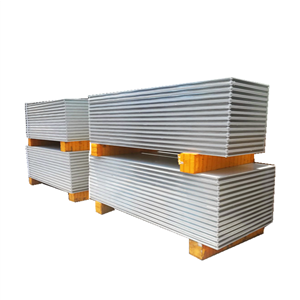
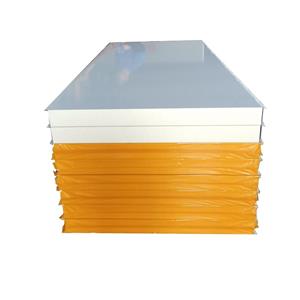
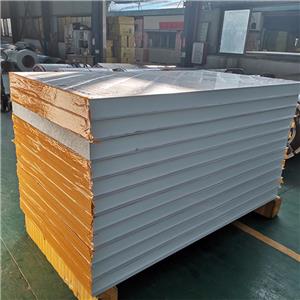
Q: ❓ What is the core difference between color steel and stainless steel polyurethane sandwich wall panels?A: The main distinction lies in surface anti‑corrosion performance. Color steel polyurethane sandwich wall panels adopt coated galvanized steel, while stainless steel PU panels use stainless steel sheet, delivering much stronger anti‑rust capacity for harsh corrosive environments. SAMZOON supplies both two types of polyurethane sandwich wall panels for different project demands.
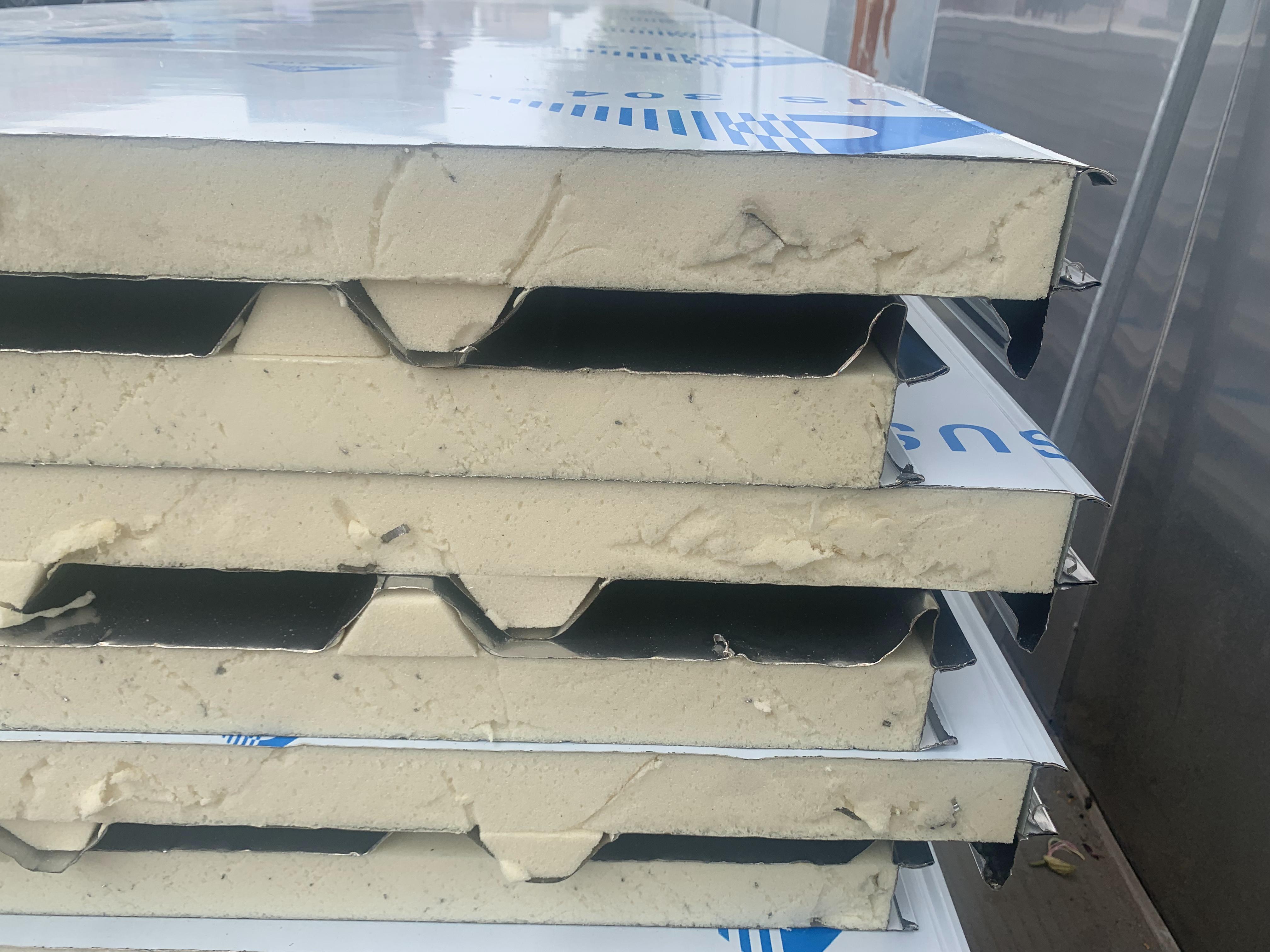
Q: ❓ When should we choose color steel polyurethane sandwich wall panels?
A: Color steel polyurethane sandwich wall panels are suitable for dry ordinary workshops, indoor partitions, general clean rooms and inland factory exterior walls. It balances performance and budget, and is the mainstream choice for most standard industrial projects.
Q: ❓ Is color steel polyurethane sandwich wall panels suitable for coastal salt‑spray environment?
A: Ordinary PE color steel is not fit for long‑term coastal outdoor use. If you have to select color steel polyurethane sandwich wall panels for coastal projects, you need to upgrade to SMP or PVDF high‑weather‑resistant coating to slow down salt‑spray corrosion.
Q: ❓ What projects require stainless steel polyurethane sandwich wall panels?
A: Stainless steel polyurethane sandwich wall panels are preferred for food processing workshops, beverage factories, pharmaceutical clean rooms, high‑humidity steam zones and chemical‑related workshops. Its anti‑corrosion and easy‑to‑clean feature meets strict hygiene requirements.
Q: ❓ What grade of stainless steel is commonly used for polyurethane sandwich wall panels?
A: 304 stainless steel is the most widely‑used grade for indoor clean‑room and food‑plant application. 316L stainless steel polyurethane sandwich wall panels are recommended for heavy salt‑spray, acid‑base corrosive coastal or chemical working conditions.
Q: ❓ What about the price gap between color steel and stainless steel polyurethane sandwich wall panels?A: Stainless steel polyurethane sandwich wall panels have obviously higher unit cost than color steel versions. For non‑corrosive dry zones, color steel can satisfy requirements and control total investment. Only adopt stainless steel for core corrosive or hygienic‑critical areas.
Q: ❓ Can stainless steel polyurethane sandwich wall panels be used for exterior wall?
A: Yes. 304 or 316L stainless steel polyurethane sandwich wall panels perform well on outdoor walls in coastal and high‑humidity regions. Note that stainless steel surface needs anti‑fingerprint treatment to keep neat appearance.
Q: ❓ Will stainless steel polyurethane sandwich wall panels have condensation problem?
A: Condensation relates to PU core thickness, edge sealing and installation instead of surface sheet material. Both color steel and stainless steel polyurethane sandwich wall panels may produce dew if thermal‑bridge treatment is insufficient. Complete edge‑sealing is essential for anti‑condensation.
Q: ❓ Can I mix‑use color steel and stainless steel polyurethane sandwich wall panels in one project?
A: Mix‑match is workable and cost‑saving. Adopt stainless steel polyurethane sandwich wall panels for production areas with steam or corrosion risk, and apply color steel for dry warehouse and passage areas to optimize total budget. SAMZOON supports mixed‑configuration customization.
Q: ❓ What points should we check when ordering stainless steel polyurethane sandwich wall panels?
A: Confirm stainless steel grade, material thickness, anti‑fingerprint treatment requirement, PU core density and edge‑sealing craft. SAMZOON provides free sample service, allowing buyers to check surface quality before bulk order of polyurethane sandwich wall panels.