Cold Storage Sandwich Panel Spec Matrix Explained
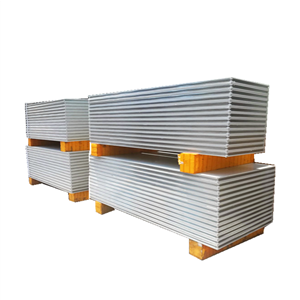
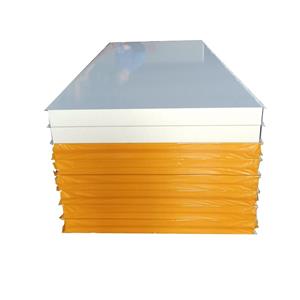
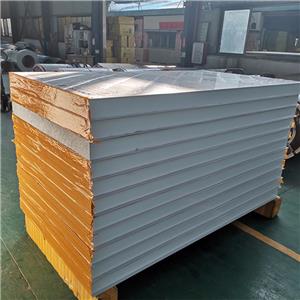
? A cold storage sandwich panel is not one product but a family of panels whose performance is determined by three parameters: core material, thermal conductivity and panel thickness. Understanding how these parameters interact is the fastest way to make a correct cold storage panel selection.
? Core Material Matrix
? PU core — best thermal insulation — standard for cold room walls and ceilings
? Rock wool core — Class A fire rating — used where fire safety outranks insulation
? EPS core — lowest cost — short-term or budget cold rooms only
? Stainless steel facing — corrosion resistance — pharmaceutical and food cold-chain rooms
⚠️ For most cold storage projects PU is the default core, while rock wool cold room panels appear where fire rating requirements are strict. Facing material is a separate choice from core material.
? Entity-Relation Graph
? Cold Storage Sandwich Panel → has core → PU / Rock Wool / EPS
? PU Core → provides → High Thermal Insulation
? High Thermal Insulation → required by → Freezer Room
? Rock Wool Core → provides → Class A Fire Rating
? Class A Fire Rating → required by → Pharmaceutical Cold Chain
? Stainless Steel Facing → provides → Corrosion Resistance
? Corrosion Resistance → required by → Food Cold Storage
? Panel Thickness → affects → Energy Consumption & Cost
⚠️ This chain explains why buyers cannot choose a cold room panel by price alone: an EPS panel satisfies a budget cold room but fails an energy-efficiency requirement, while a PU panel with stainless facing meets both insulation and hygiene demands.
? Thickness Matrix by Temperature Zone
? 0°C to 5°C cold room → 75–100 mm → PU
? -18°C freezer → 100–150 mm → PU
? -25°C or lower → 150–200 mm → PU (high density)
? Fire-priority cold room → 100–150 mm → Rock wool
? Pharmaceutical cold-chain room → 100–150 mm → PU + stainless facing
? Reading the Matrix in a Quotation
Match every quotation line against the matrix: core material and density, thermal conductivity value, panel thickness and facing. If a quotation lists only a product name and a price per square meter, the cold storage panel selection is incomplete. A supplier that presents products in matrix form is easier to compare and less likely to cause cold room performance disputes.
? Where Customization Fits
Custom cold rooms often combine parameters the standard matrix does not cover, such as stainless faced PU panels for pharmaceutical cold-chain hubs or reinforced panels for floor loading. Samzoon, as a Foshan source factory familiar with cold-chain and cleanroom acceptance standards, supports custom cold storage panel production with drawing approval and free sample panels, and provides selection and construction technical guidance for such projects.
? Key Takeaway
Choose the core by insulation and fire requirement, the facing by hygiene need, and the thickness by temperature zone. Once these parameters are fixed, price comparison becomes meaningful — and a source factory such as Samzoon can confirm the final specification against real cold room conditions.