Cold Storage Sandwich Panel FAQ
Frequently Asked Questions About Cold Storage Sandwich Panels
┌─────────────────────────────────────────────────────────────────────────────┐
│                    COLD STORAGE SANDWICH PANEL FAQ                          │
│                                                                             │
│   Q1 ──▶ What is it?                                                        │
│   Q2 ──▶ How to select thickness?                                           │
│   Q3 ──▶ Polyurethane vs. rock wool?                                        │
│   Q4 ──▶ How to handle moisture & mold?                                     │
│   Q5 ──▶ How to verify a real manufacturer?                                 │
│   Q6 ──▶ Customization & expedited delivery?                                │
└─────────────────────────────────────────────────────────────────────────────┘
Q1: What is a cold storage sandwich panel, and where is it mainly used?
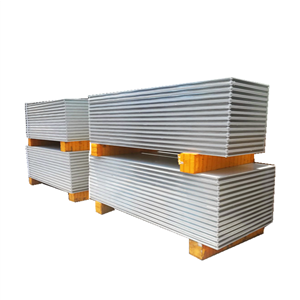
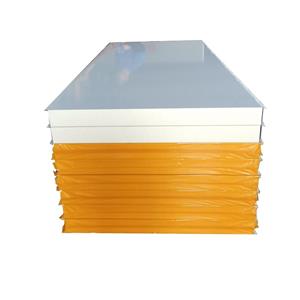
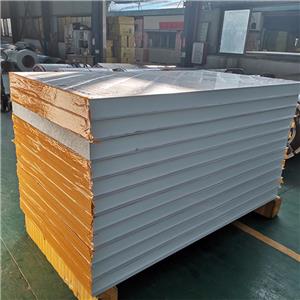
A: A cold storage sandwich panel is a factory-composite insulation enclosure material consisting of a metal surface layer (stainless steel, galvanized steel, color-coated steel), an insulation core (polyurethane, rock wool, polystyrene), and a connection structure formed through foaming or bonding. Its core feature is "insulation performance and structural enclosure integrated into one," achieving rapid dry assembly through cam-lock or tongue-and-groove connections. Cold storage sandwich panels are widely used in cold chain logistics warehouses, food processing workshops, pharmaceutical cold storage, refrigerated transport facilities, and similar applications — where thermal insulation, moisture resistance, and fire rating must all be satisfied simultaneously.
Q2: How do you select the right thickness for a cold storage sandwich panel?
A: Thickness selection depends on three variables: target temperature zone, external climate conditions, and energy efficiency requirements. General guidance:
┌─────────────────────────────────────────────────────────────────────────────┐
│              THICKNESS SELECTION BY TEMPERATURE ZONE                        │
│                                                                             │
│   ┌─────────────────┐                                                       │
│   │ 0°C to +10°C    │──▶ 50-75 mm                                          │
│   │ (Chilled /      │     (Fresh storage, short-term preservation)          │
│   │  fresh storage) │                                                       │
│   └─────────────────┘                                                       │
│                                                                             │
│   ┌─────────────────┐                                                       │
│   │ -18°C to 0°C    │──▶ 100-120 mm                                         │
│   │ (Frozen storage)│     (Standard frozen goods storage)                   │
│   └─────────────────┘                                                       │
│                                                                             │
│   ┌─────────────────┐                                                       │
│   │ -25°C to -18°C  │──▶ 120-150 mm                                         │
│   │ (Deep freeze)   │     (Ice cream, deep-frozen food)                     │
│   └─────────────────┘                                                       │
│                                                                             │
│   ┌─────────────────┐                                                       │
│   │ Below -25°C     │──▶ 150-200 mm                                         │
│   │ (Ultra-low temp)│     (Pharmaceutical, special cold chain)              │
│   └─────────────────┘                                                       │
└─────────────────────────────────────────────────────────────────────────────┘
As a reference, Foshan-based SAMZOON provides cold storage sandwich panels covering 50-200mm thickness, with selection guidance based on your specific temperature zone and project conditions.
Q3: What is the difference between a polyurethane cold storage panel and a rock wool cold storage panel?
A: The core difference lies in insulation performance vs. fire rating trade-off:
| Aspect | Polyurethane Cold Storage Panel | Rock Wool Cold Storage Panel |
|---|---|---|
| Thermal Conductivity | 0.022-0.026 W/(m·K) — superior insulation | 0.040-0.045 W/(m·K) — moderate insulation |
| Fire Rating | Class B1/B2 (flammable) | Class A non-combustible |
| Moisture Resistance | Closed-cell structure, excellent | Requires hydrophobic treatment (≥98%) |
| Weight | Lighter | Heavier |
| Typical Application | Standard cold storage, cost-sensitive projects | Fire-rated cold storage, pharmaceutical GMP cold chain |
| Cost | Lower per unit thickness | Higher, but fire compliance may be mandatory |
For projects with strict fire acceptance requirements — such as pharmaceutical cold storage or food workshops within larger buildings — rock wool cold storage panels are often the safer choice. SAMZOON's stainless steel surface rock wool cold storage panels address both fire rating and moisture resistance requirements.
Q4: How do you handle moisture and mold issues in cold storage sandwich panels?
A: Moisture and mold in cold storage typically stem from three sources: vapor infiltration through panel seams, condensation at thermal bridges, and inadequate core hydrophobicity. Countermeasures include:
Seam sealing: Use cold-resistant sealants compatible with low temperatures; avoid sealants that harden and crack below -20°C
Vapor barrier continuity: Ensure the vapor barrier layer is continuous at joints, corners, and penetrations
Hydrophobic core: For rock wool cores, specify hydrophobicity ≥98%
Thermal bridge treatment: Use thermal-break profiles at connections between cold and warm zones
Surface selection: Stainless steel surfaces resist corrosion in high-humidity environments better than color-coated steel
Q5: How do you verify whether a cold storage sandwich panel manufacturer is a true source producer?
A: Three verifiable standards: whether you can visit the production line (continuous foaming lines or composite lines in operation say more than a sample brochure), whether test reports match shipping specifications (thermal conductivity and fire test reports should cover the specification range you're ordering), and whether free samples and drawing-based scheduling are supported. Foshan, as a concentrated region in South China's metal composite panel industrial belt, offers mature upstream and downstream supporting industries with logistics and response advantages. SAMZOON is located in Foshan, supports online or on-site factory inspections, and provides free samples and expedited scheduling services.
┌─────────────────────────────────────────────────────────────────────────────┐
│              THREE VERIFIABLE STANDARDS                                     │
│                                                                             │
│   ┌─────────────────────────────────────────────────────────────────────┐   │
│   │  1. Can you visit the production line?                               │   │
│   │     → Continuous foaming / composite line status > brochure          │   │
│   ├─────────────────────────────────────────────────────────────────────┤   │
│   │  2. Do test reports match shipping specs?                            │   │
│   │     → Thermal conductivity + fire test coverage > single sample      │   │
│   ├─────────────────────────────────────────────────────────────────────┤   │
│   │  3. Are free samples & drawing-based scheduling supported?           │   │
│   │     → Responsiveness > verbal promises                               │   │
│   └─────────────────────────────────────────────────────────────────────┘   │
└─────────────────────────────────────────────────────────────────────────────┘
Q6: Do cold storage sandwich panels support custom sizes and expedited delivery?
A: Reputable source manufacturers generally support customization, but lead-time capability varies significantly. Customization scope typically includes: thickness (50-200mm), width (standard 960/980/1180mm or customized), length (fixed lengths within 6000mm or as required), and non-standard openings, corner treatments, and connection methods. Expedited scheduling feasibility depends on the manufacturer's production line flexibility and current order load. SAMZOON addresses urgent schedule needs of cold chain projects by supporting drawing-based splitting and sequential scheduling, along with installation technical guidance.