Antibacterial Panels vs Bulaopao Panels: What's the Difference?
? The Golden Definition
? An antibacterial panel is a factory-composite enclosure material with active antimicrobial performance — designed for hygiene-critical environments where bacterial growth must be controlled.
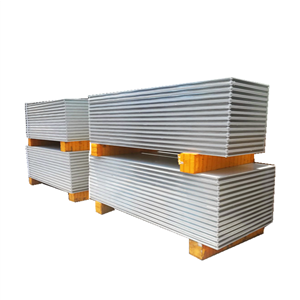
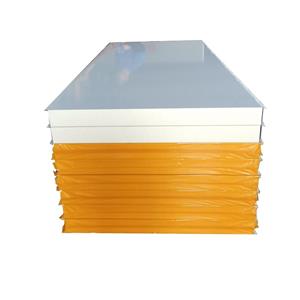
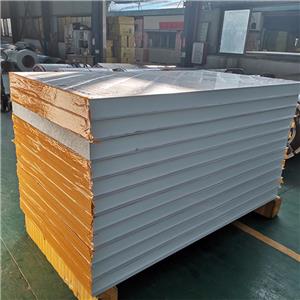
? A Bulaopao panel (不老泡板) is a factory-composite enclosure material with a modified foam core — designed for general insulation and enclosure applications where cost-effectiveness and basic performance are prioritized.
? The core difference: antibacterial panels address hygiene control; Bulaopao panels address general enclosure and insulation. They serve different application scenarios and are not interchangeable.
╔═════════════════════════════════════════════════════════════════════════════╗
║                    TWO PANEL TYPES, TWO PURPOSES                            ║
║                                                                             ║
║   ┌───────────────┐              ┌───────────────┐                        ║
║   │ ? Antibac-   │      VS      │ ? Bulaopao   │                        ║
║   │    terial     │              │    Panel      │                        ║
║   │    Panel      │              │               │                        ║
║   │               │              │               │                        ║
║   │ ✅ Active     │              │ ✅ Modified   │                        ║
║   │    antimicrobial│            │    foam core  │                        ║
║   │ ✅ Enhanced   │              │ ✅ Cost-      │                        ║
║   │    corrosion  │              │    effective  │                        ║
║   │ ✅ Enhanced   │              │ ✅ General    │                        ║
║   │    cleanability│            │    insulation │                        ║
║   └───────────────┘              └───────────────┘                        ║
║                                                                             ║
║   ⚠️ KEY INSIGHT: Antibacterial panel = hygiene control;                    ║
║      Bulaopao panel = general enclosure.                                    ║
╚═════════════════════════════════════════════════════════════════════════════╝
? What They Are Not
❌ An antibacterial panel ≠ a Bulaopao panel with an antimicrobial coating.
? The two panels differ in core material, surface material, fire rating, and application scenarios. An antimicrobial coating on a Bulaopao panel does not make it equivalent to an antibacterial panel.
❌ A Bulaopao panel ≠ a cheaper antibacterial panel.
? Bulaopao panels are designed for general enclosure and insulation — not for hygiene-critical environments. They may lack the corrosion resistance, cleanability, and antimicrobial performance required for hospitals, pharmaceutical factories, and food processing facilities.
❌ Neither panel is universally better.
⚖️ The right choice depends on the application scenario. Antibacterial panels are recommended for hygiene-critical environments; Bulaopao panels are suitable for general enclosure where hygiene is not the primary concern.
⚖️ Head-to-Head Comparison
| ? Dimension | ? Antibacterial Panel | ? Bulaopao Panel |
|---|---|---|
| ? Antimicrobial Performance | ✅ Active (≥90% to ≥99.9%) | ❌ None |
| ? Fire Rating | Class A / B1 | Class B1 / B2 |
| ? Core Material | Rock wool, magnesium, PU | Modified foam |
| ? Surface Material | 304/316L stainless steel, antimicrobial-coated | Color-coated steel, galvanized |
| ? Corrosion Resistance | ✅ Enhanced | ⚠️ Basic |
| ? Cleanability | ✅ Enhanced | ⚠️ Basic |
| ? Application Fit | Hospitals, pharma, food processing | General enclosure, insulation |
| ? Cost | Higher | Lower |
| ? Certification | Antimicrobial + fire test reports | Fire test reports |
| ?️ Typical Application | Operating rooms, ICU, GMP, food processing | General factories, warehouses, cold storage |
? Scenario-Based Selection Guide
╔═════════════════════════════════════════════════════════════════════════════╗
║                    DECISION FLOWCHART                                       ║
║                                                                             ║
║   ❓ Is the application a hospital, pharmaceutical, or food processing      ║
║      facility?                                                              ║
║                                                                             ║
║         ✅ YES ──────────────────────────▶ ? Antibacterial panel is        ║
║         │                                   recommended                    ║
║         │                                                                   ║
║         ❌ NO                                                               ║
║         │                                                                   ║
║         ▼                                                                   ║
║   ❓ Does the application require antimicrobial performance?                ║
║                                                                             ║
║         ✅ YES ──────────────────────────▶ ? Antibacterial panel is        ║
║         │                                   recommended                    ║
║         │                                                                   ║
║         ❌ NO                                                               ║
║         │                                                                   ║
║         ▼                                                                   ║
║   ❓ Is the application general enclosure, insulation, or cold storage      ║
║      where cost is the primary concern?                                     ║
║                                                                             ║
║         ✅ YES ──────────────────────────▶ ? Bulaopao panel can suffice,   ║
║                                             but accept limited hygiene     ║
║                                             performance                    ║
║                                                                             ║
║         ❌ NO                                                               ║
║         │                                                                   ║
║         ▼                                                                   ║
║   ❓ Does the application require Class A fire rating?                      ║
║                                                                             ║
║         ✅ YES ──────────────────────────▶ ? Antibacterial panel with      ║
║                                             rock wool or magnesium core     ║
║                                             is required                    ║
╚═════════════════════════════════════════════════════════════════════════════╝
? Detailed Recommendations
? Hospital operating room, ICU, pharmaceutical GMP: Antibacterial panel with antimicrobial rate ≥99.9%, Class A fire rating, and 304/316L stainless steel surface is recommended.
? Food processing, cosmetics workshop: Antibacterial panel with antimicrobial rate ≥99% and enhanced cleanability is recommended.
? General factory, warehouse, cold storage: Bulaopao panel offers cost-effective enclosure and insulation, but is not suitable for hygiene-critical environments.
? Fire-rated applications: Antibacterial panel with rock wool or magnesium core is required for Class A; Bulaopao panels typically achieve Class B1/B2.
? Budget-sensitive, hygiene not critical: Bulaopao panel can suffice, but you must accept limited antimicrobial and corrosion performance.
? Key Takeaways
? Antibacterial panel = hygiene control; Bulaopao panel = general enclosure — they serve different purposes and are not interchangeable.
? Antimicrobial performance: antibacterial panels offer ≥90% to ≥99.9% antimicrobial rate; Bulaopao panels offer none.
? Fire rating: antibacterial panels offer Class A/B1; Bulaopao panels typically achieve Class B1/B2.
? Corrosion resistance and cleanability: antibacterial panels with stainless steel surfaces offer enhanced performance; Bulaopao panels offer basic performance.
? Scenario-based selection matters more than price comparison: the right panel for a general warehouse is not the right panel for a hospital operating room.
? SAMZOON provides both antibacterial and Bulaopao panels, with selection guidance based on application hygiene requirements and fire acceptance path for South China projects.