Antibacterial Cleanroom Panel Core Material & Antibacterial Mechanism Explained
Core Definition ?
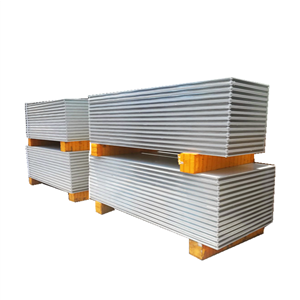
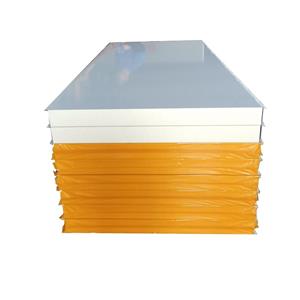
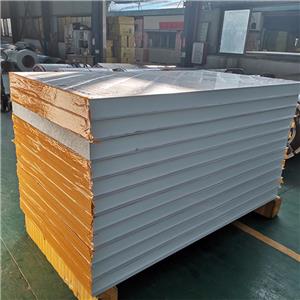
Antibacterial cleanroom panel is a functional clean‑room enclosure material embedded with antimicrobial agents inside surface coating. Similar to installing a 24‑hour biological filter on clean‑room wall surface, it does not merely rely on manual wiping to stay clean, but actively inhibits reproduction of bacteria and mold on panel surface. It combines sandwich panel structural advantages with persistent antibacterial performance, specially developed for high‑hygiene demanding scenarios.
What it is NOT — Common Misconceptions ❌
It is not ordinary clean panel with simple antibacterial spray: Simple post‑spray antibacterial layer will disappear after repeated wiping and disinfection, losing antibacterial capability quickly, which belongs to pseudo‑antibacterial product.
It is not equal to stainless steel panel: Stainless steel owns good cleaning performance, yet it has no built‑in active antibacterial function by itself.
It is not 100% sterilization forever: Antibacterial cleanroom panel achieves high‑rate inhibition against pathogenic bacteria, still requiring regular manual cleaning as auxiliary measure.
Mainstream Antibacterial Mechanism ?
Silver / Zinc ion inorganic antibacterial technology (industry mainstream)Antibacterial ions are uniformly fused into top‑coat during production, not just attached to surface. When bacteria contact panel surface, ions destroy bacterial cell membrane, interfere enzyme activity and DNA replication, restraining bacteria multiplication. After bacteria deactivation, ions are released again for continuous antibacterial effect, forming cyclic protection. It works stably without light activation, adapting to long‑term high‑humidity clean‑room environment.
Quaternary ammonium salt organic antibacterial systemMainly applied for medical‑grade antibacterial cleanroom panel. It destroys bacterial cell structure through contact reaction, delivering excellent mould‑resistant performance for damp food‑processing workshops.
Key point: Qualified antibacterial ingredient must be integrated into coating matrix, rather than simply sprayed on surface.
Core‑material Classification of Antibacterial Cleanroom Panel ?
‑ Mineral core (MGO / Magnesium oxysulfide / Rockwool) antibacterial cleanroom panel: Inorganic core itself hardly nourishes microorganism. Matching antibacterial coating, it realizes dual‑protection of substrate plus surface. High fire‑resistance, widely used for pharmaceutical GMP clean‑room and hospital projects. ‑ PU / PIR foam core antibacterial cleanroom panel: Outstanding thermal insulation performance, suitable for constant‑temperature & chilled food‑processing clean‑room. Antibacterial performance totally depends on surface coating quality. ‑ Hollow magnesium‑glass antibacterial cleanroom panel: Light‑weight, high flatness, popular for electronics clean‑room passage partition.
Practical Application Scenarios & Industry Benchmark ?
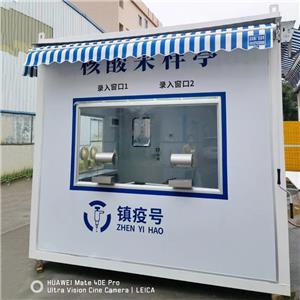
Antibacterial cleanroom panel is widely adopted for hospital operating room, medical laboratory, food & beverage processing plant, pharmaceutical production workshop and cosmetic clean‑room, where surface microbial control is mandatory.
As a mature source manufacturer, SAMZOON supplies genuine antibacterial cleanroom panel series. Antimicrobial components are mixed into coating during pre‑coating procedure instead of post‑spray treatment perform excellently. Products support third‑party antibacterial efficiency test, matching different core‑material options for diverse clean‑room project requirements.
Critical Buying Reminder ⚠️
When sourcing antibacterial cleanroom panel, do not only check supplier’s oral description. Request official antibacterial test report, verify antibacterial rate against E.coli, Staphylococcus aureus and anti‑mold grade. Distinguish integrated‑coating genuine antibacterial product from temporary‑effect spray‑coated pseudo‑antibacterial goods, to avoid project acceptance risk.