Aluminum Composite Sandwich Panel vs Aluminum Composite Panel: One Word, How Much Difference?
❓ Q1: What is an aluminum composite sandwich panel?
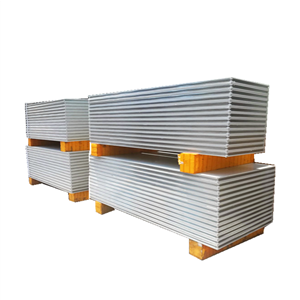
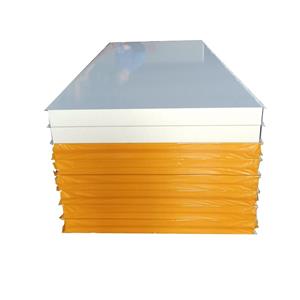
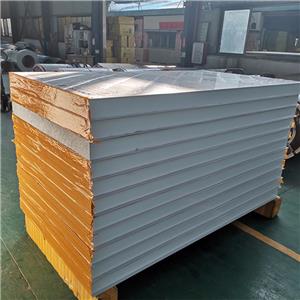
✅ A: An aluminum composite sandwich panel is a factory-composite enclosure panel consisting of two aluminum surface layers, a core material (aluminum honeycomb, rock wool, PU), and a bonding layer. Its defining feature is that the core material provides insulation and fire rating, while the aluminum surfaces provide weather resistance and aesthetic finish.
? Key distinction: A standard aluminum composite panel (ACP) typically has a polyethylene (PE) core — it is a cladding material, not a structural enclosure panel.
❓ Q2: How is an aluminum composite sandwich panel different from a standard aluminum composite panel?
✅ A: The key differences are in core material, fire rating, and structural function:
| ? Aspect | ? Standard ACP | ? Aluminum Composite Sandwich Panel |
|---|---|---|
| Core Material | Polyethylene (PE) | ✅ Aluminum honeycomb, rock wool, PU |
| Fire Rating | ⚠️ Class B1/B2 (PE core is flammable) | ✅ Class A (with rock wool or honeycomb) |
| Structural Function | Cladding only | Enclosure + insulation |
| Insulation | ❌ None | ✅ Core provides insulation |
| Installation | Requires separate framing | ✅ Single-step assembly |
| Application | Exterior cladding, signage | Cleanroom walls, commercial walls, insulated facades |
⚠️ Key insight: A standard ACP is a cladding material; an aluminum composite sandwich panel is an enclosure system with insulation and fire rating.
❓ Q3: What is the fire rating difference?
✅ A: Fire rating is the most significant difference:
| ? Fire Rating | ? Standard ACP (PE Core) | ? Aluminum Composite Sandwich Panel |
|---|---|---|
| Fire Rating | ⚠️ Class B1/B2 | ✅ Class A (rock wool or honeycomb core) |
| Fire Resistance | <0.5 hour | 1–2 hours |
| Smoke Generation | ⚠️ Higher | ✅ Low |
| Application Limit | Low-rise, non-fire-rated | High-rise, fire-rated |
⚠️ Key insight: For high-rise or fire-rated buildings, standard ACP with PE core may not meet fire code requirements — aluminum composite sandwich panels with Class A cores are required.
❓ Q4: What is the structural difference?
✅ A: Structural performance depends on core material and panel thickness:
| ? Structural Requirement | ? Standard ACP | ? Aluminum Composite Sandwich Panel |
|---|---|---|
| Load-bearing | ❌ Cladding only | ⚠️ Limited enclosure |
| Impact resistance | Moderate | ✅ Better (with honeycomb core) |
| Wind load | ✅ Good (with proper framing) | ✅ Good (with proper anchoring) |
| Insulation | ❌ None | ✅ Core provides insulation |
⚠️ Key insight: Aluminum composite sandwich panels are not structural panels — they are enclosure panels with insulation. For structural loads, other materials are required.
❓ Q5: When should I use sandwich vs standard ACP?
✅ A: Application-based selection:
╔═════════════════════════════════════════════════════════════════════════════╗
║              APPLICATION SELECTION                                          ║
║                                                                             ║
║   ┌─────────────────────────────────────────────────────────────────────┐   ║
║   │  ? USE ALUMINUM COMPOSITE SANDWICH PANEL FOR:                      │   ║
║   │     → Fire-rated facades (high-rise, public buildings)              │   ║
║   │     → Cleanroom walls                                               │   ║
║   │     → Insulated commercial walls                                    │   ║
║   │     → Projects requiring Class A fire rating                        │   ║
║   ├─────────────────────────────────────────────────────────────────────┤   ║
║   │  ? USE STANDARD ACP FOR:                                           │   ║
║   │     → Signage and advertising                                       │   ║
║   │     → Low-rise decorative cladding                                  │   ║
║   │     → Interior decoration                                           │   ║
║   │     → Non-fire-rated applications                                   │   ║
║   └─────────────────────────────────────────────────────────────────────┘   ║
╚═════════════════════════════════════════════════════════════════════════════╝
❓ Q6: What are the limitations of aluminum composite sandwich panels?
✅ A: Limitations to consider:
| ⚠️ Limitation | ? What It Means |
|---|---|
| Limited load-bearing | Not for structural loads |
| Edge sealing | Cut edges must be sealed |
| Higher cost than ACP | 30–50% higher than standard ACP |
| Custom fabrication | Limited complex shapes |
| Fire rating dependent on core | PE core does not achieve Class A |
⚠️ Key insight: Aluminum composite sandwich panels are not a replacement for standard ACP in all applications — they are optimized for fire-rated and insulated enclosures.
? SAMZOON provides aluminum composite sandwich panels with honeycomb, rock wool, and PU cores, with selection guidance based on application requirements for South China projects.
? Key Takeaways
? Aluminum composite sandwich panel = two aluminum surfaces + core (honeycomb, rock wool, PU) — provides insulation and fire rating in addition to cladding.
? Fire rating: sandwich panels achieve Class A (with rock wool or honeycomb core); standard ACP with PE core achieves Class B1/B2.
?️ Structural function: sandwich panels are enclosure panels (not structural); standard ACP is cladding only.
?️ Insulation: sandwich panels provide core insulation; standard ACP provides none.
? Application selection: sandwich panels for fire-rated facades, cleanrooms, and insulated walls; standard ACP for signage, low-rise cladding, and interior decoration.
? SAMZOON provides aluminum composite sandwich panels with honeycomb, rock wool, and PU cores, with selection guidance based on application requirements for South China projects.